

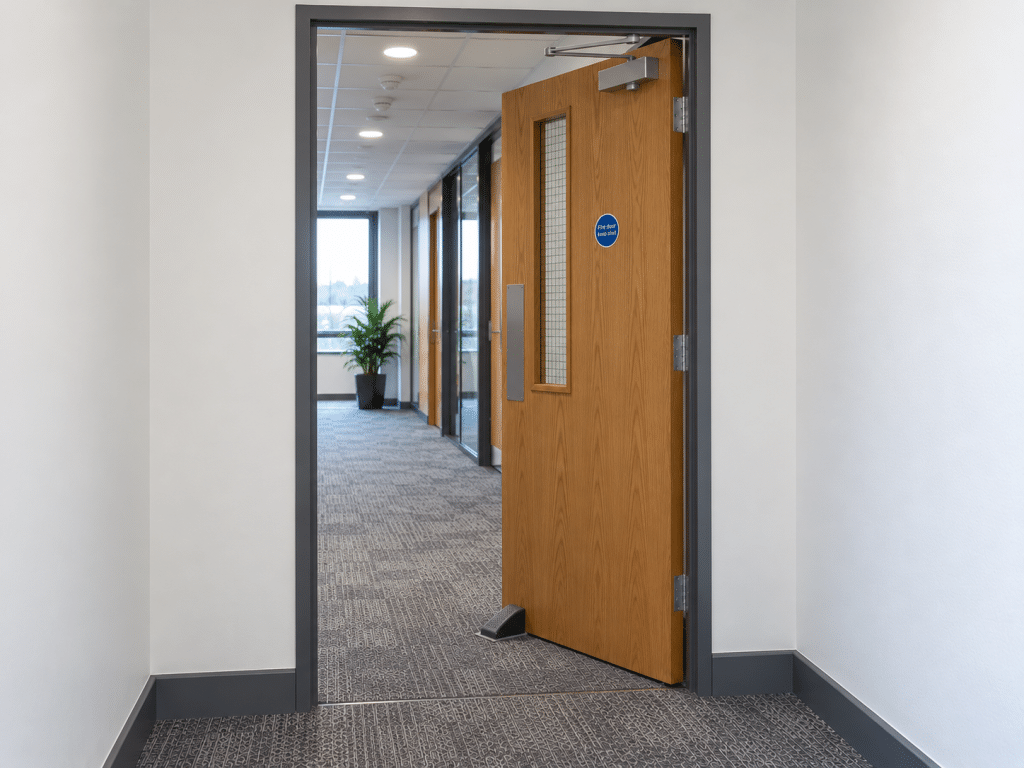
Fire doors are an essential part of a building’s fire protection system, helping to slow the spread of fire and smoke while giving occupants valuable time to escape in an emergency. However, even a correctly installed fire door can become less effective if it isn’t properly maintained. Whether you manage commercial premises in Gloucester, own […]
Category Archives: Fire News
11
Sep
Sep
When people think about fire stopping, the instinct is often simple: if some fire-resistant material is good, then more of it must be better. That sounds logical, but passive fire protection does not always work that way. Fire stopping systems are designed to perform in very specific configurations. The type of product, thickness, depth, backing […]
04
Sep
Sep
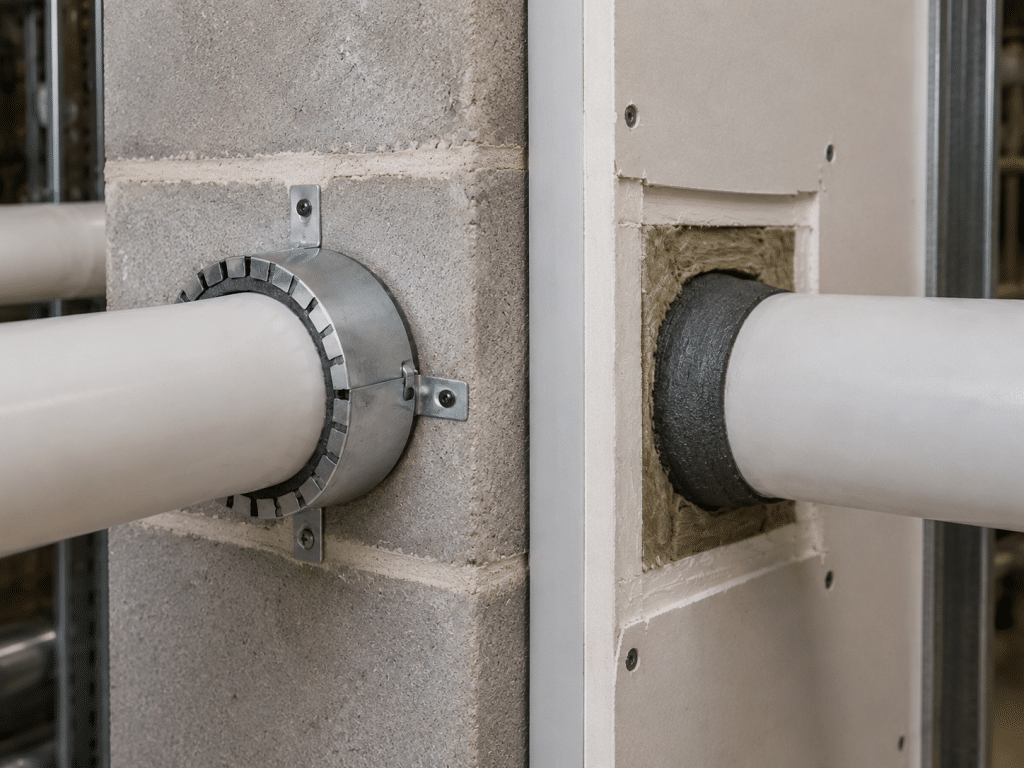
When plastic pipes pass through fire-resistant walls or floors, they can create a serious weakness in a building’s compartmentation. During a fire, many plastic pipes soften, melt or burn away. If nothing is in place to deal with that change, the opening left behind can provide a route for flames, smoke and hot gases to […]
13
Aug
Aug
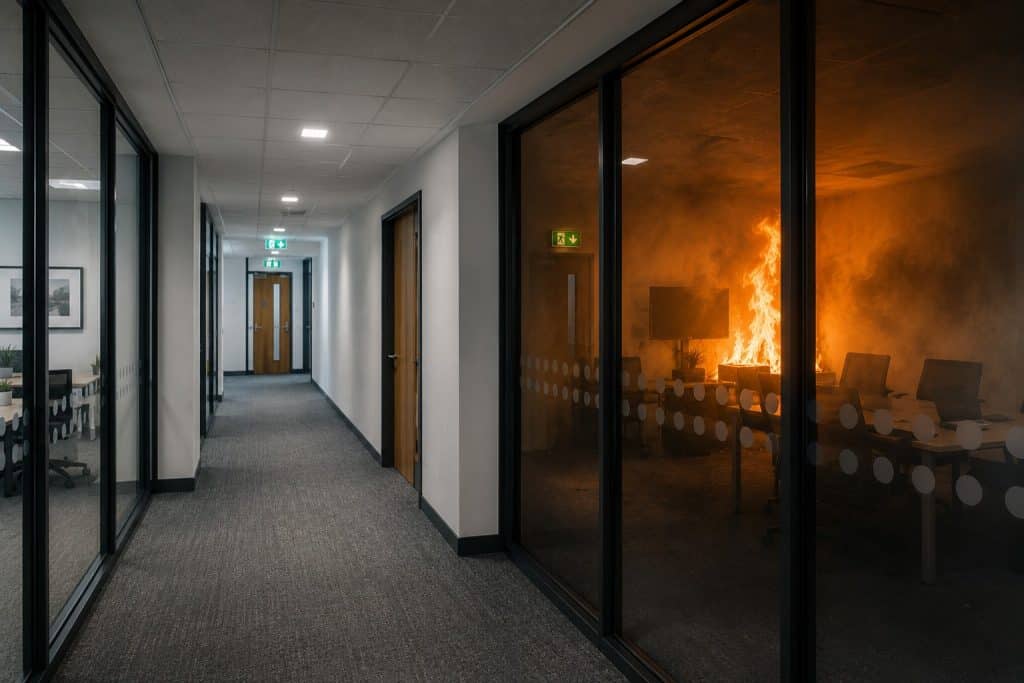
Fire safety terminology can sometimes make relatively simple ideas sound complicated. One term you may come across in building plans, fire strategies, or passive fire protection surveys is a compartment line. Although you won’t normally see a compartment line when walking through a finished building, it represents an extremely important boundary. It indicates where fire-resisting […]

13
Aug
Aug
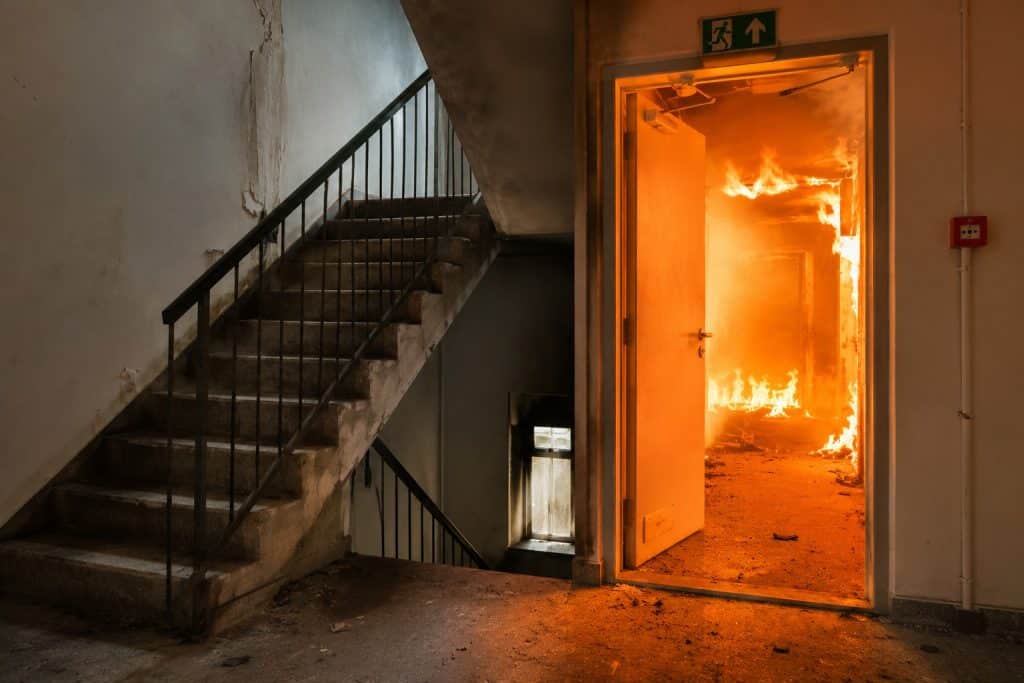
When a fire breaks out, every second counts. The ability to leave a building quickly and safely can make all the difference, which is why modern buildings are carefully designed with dedicated escape routes. However, simply having a corridor, staircase or exit door isn’t enough. To remain safe during a fire, these routes must be […]
28
Jul
Jul
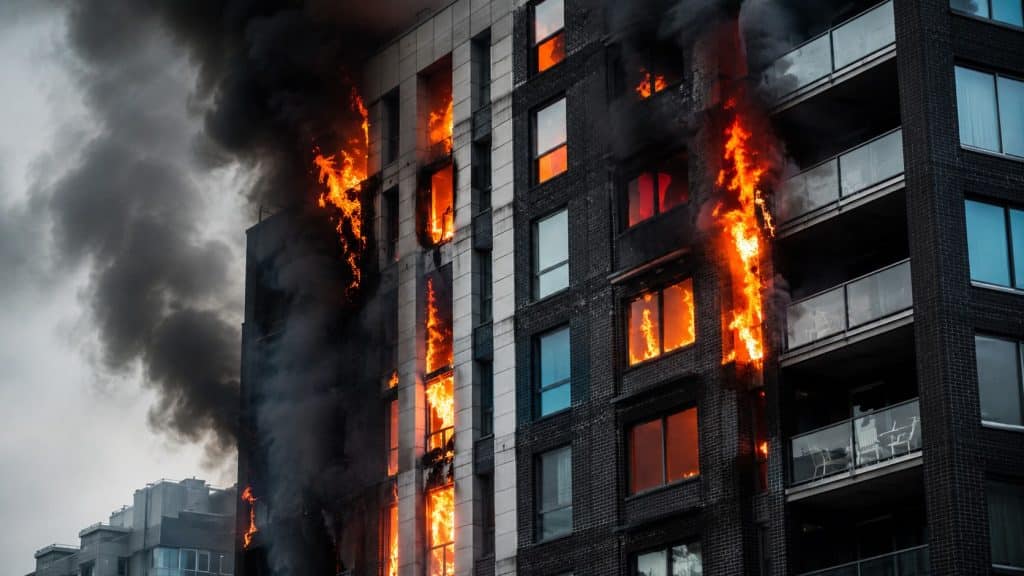
When people think about fire safety in buildings, they often assume the goal is to stop a fire from happening altogether. While prevention is important, building designers and fire engineers also plan for another possibility: that a fire may occur despite every precaution. Modern buildings are therefore designed with the expectation that fire is possible. […]
28
Jul
Jul
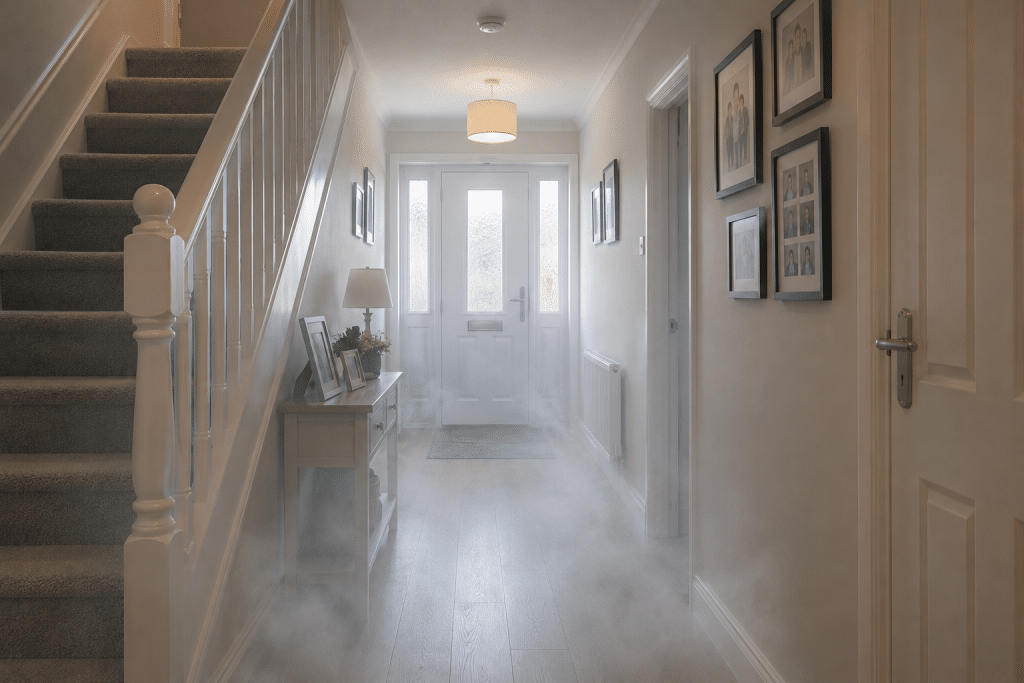
When people think about fire protection in buildings, they often picture smoke alarms, fire extinguishers, sprinklers, or fire doors. While these systems all play important roles, some of the most effective fire safety measures are hidden completely from view. One such example is the cavity barrier. Installed within concealed spaces such as walls, floors, ceilings, […]
15
Jul
Jul
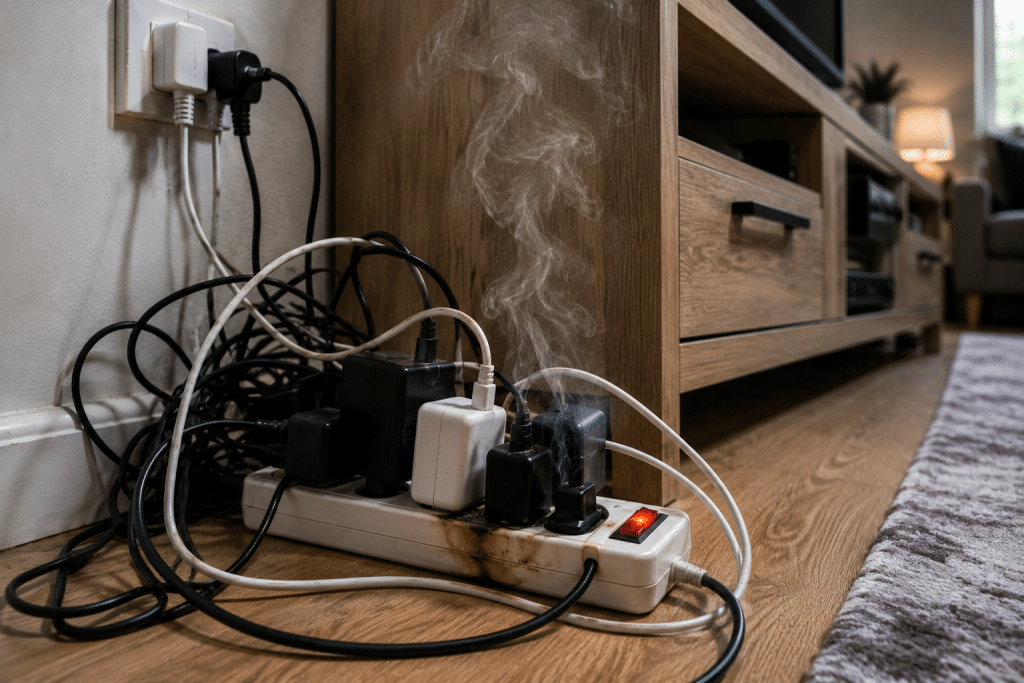
When people think about fire safety, they usually imagine flames, extreme heat, and visible damage caused by a fire. While these are certainly serious threats, one of the most dangerous aspects of a fire is often something that receives far less attention: cold smoke. Unlike the thick, hot smoke associated with fully developed fires, cold […]
02
Jul
Jul
When it comes to fire safety, one of the biggest risks isn’t faulty wiring, unattended cooking, or overloaded sockets. It’s something much less visible: complacency. Many people understand that fires happen, but they often view them as incidents that affect other people, other homes, or other businesses. It’s a natural way of thinking. After all, […]
04
Jun
Jun
If you could compare a typical home today with one from 20 years ago, you might assume that modern properties are automatically safer in every respect. After all, building regulations have improved, smoke alarms are more common, and fire safety awareness has increased significantly. However, the reality is more complicated. While today’s homes often benefit […]