

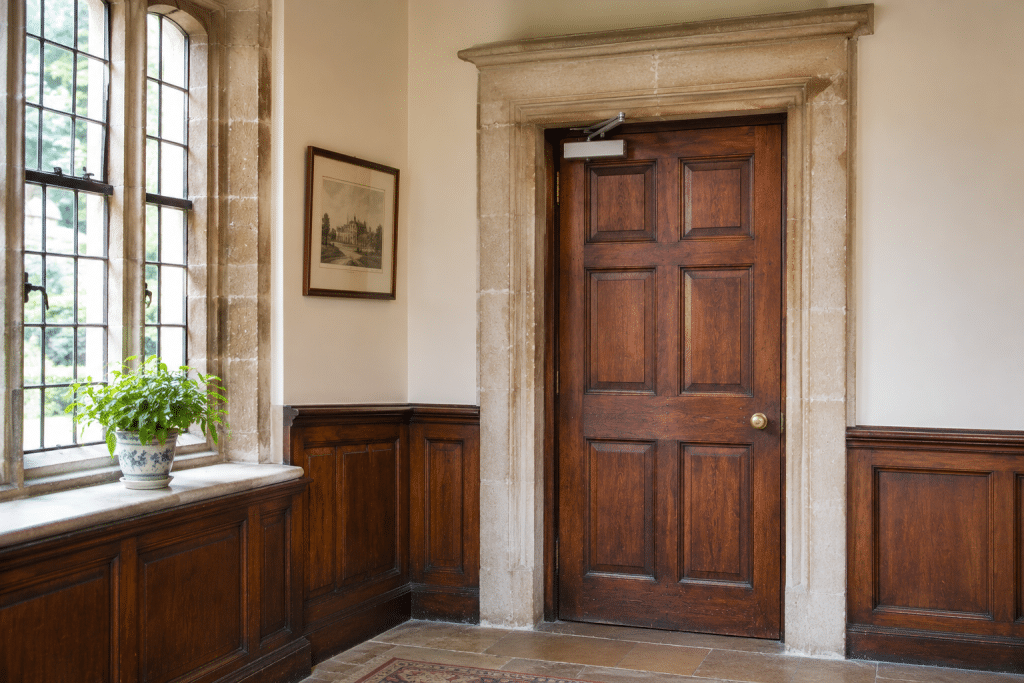
Fire doors are an essential part of a building’s fire protection system, helping to slow the spread of fire and smoke while protecting occupants and escape routes. However, as buildings age and fire safety requirements evolve, existing doors may no longer provide the level of protection needed.
For property owners, businesses and building managers, this raises an important question: can existing fire doors be upgraded, or do they need to be replaced?
In some cases, improvements can be made to existing doors without replacing the entire assembly. This can be particularly beneficial in older buildings, where preserving original features is important.
Whether you’re renovating a period property or maintaining an older commercial building, understanding the options for upgrading existing fire doors can help you make informed decisions about fire safety.
Do Existing Fire Doors Always Need Replacing?
Not necessarily. Just because a fire door is old doesn’t automatically mean it’s unsuitable or needs replacing.
Some older doors were manufactured or installed to standards that differ from those used today. However, they may still provide an appropriate level of fire resistance, depending on their construction, condition and location within the building.
Government guidance recognises that existing fire doors don’t necessarily need replacing simply because they don’t meet the latest standards for new installations.
The important consideration is whether the door provides adequate protection for its intended purpose.
Where improvements are needed, suitable upgrading methods may help enhance fire resistance while retaining the existing door.
However, not every door is suitable for upgrading. Its construction, condition and required fire performance must be assessed before any work is undertaken.
Why Older Buildings Can Present Fire Door Challenges
Older buildings often contain original features that can make modern fire safety improvements more challenging.
Traditional timber doors may have been installed long before current fire resistance standards were introduced. Some may also feature decorative panels, historic ironmongery or unusual dimensions that make straightforward replacement difficult.
In listed buildings, replacing original doors could affect the property’s historic character and may require additional permissions.
For these reasons, upgrading existing doors can sometimes provide a practical alternative, helping to improve fire protection while preserving important architectural features.
However, any improvements must be carefully considered to ensure they provide the required level of fire resistance without compromising the door’s construction.
How Can Existing Fire Doors Be Upgraded?
There are several ways to improve the performance of an existing door, depending on its construction, condition and required level of fire resistance.
Any proposed upgrading work should be assessed by a competent specialist and supported by appropriate product testing or technical evidence.
Installing Intumescent and Smoke Seals
Intumescent seals are designed to expand when exposed to high temperatures, helping to restrict the spread of fire through gaps between a door and its frame.
Smoke seals provide additional protection by limiting smoke movement.
Where suitable for the door’s construction, installing compatible seals can help improve fire and smoke resistance.
However, some older fire doors were designed without these components and may still provide adequate protection. Their suitability should be assessed before alterations are made.
Upgrading Hinges and Door Closers
Hinges, latches and self-closing devices all play an important role in the operation of a fire door.
Damaged or unsuitable hardware can affect how the door closes and performs during a fire.
Where appropriate, replacing existing components with compatible fire-rated products can help improve the door’s functionality and maintain its intended fire resistance.
Improving Door Frames and Gaps
A fire door must fit correctly within its frame to provide effective protection.
Excessive gaps, damaged frames or poor alignment can compromise performance, even when the door itself is in good condition.
Depending on the circumstances, suitable adjustments or remedial joinery work may help address these issues without requiring a complete replacement.
Specialist Fire Protection Upgrades
Certain existing timber doors, including traditional panelled doors, may be suitable for specialist fire protection treatments or upgrading systems.
These can include tested intumescent products or other methods designed to improve fire resistance while retaining original features.
However, not every coating or upgrading system is suitable for every door. The proposed solution must have appropriate evidence supporting its use on the particular door construction.
Professional advice is therefore essential when considering specialist fire door upgrades.
When Is Fire Door Replacement Necessary?
Although upgrading can be a practical solution, there are situations where replacing an existing door is more appropriate.
For example, replacement may be necessary where:
- The door leaf or frame has suffered significant structural damage.
- The existing construction cannot provide the required fire resistance.
- Previous alterations have compromised the door’s performance.
- The door is unsuitable for an appropriately tested upgrading system.
- Repairs or upgrades cannot provide adequate evidence of the necessary fire protection.
The decision should be based on the door’s condition, its location and the fire safety requirements of the building.
A professional assessment can help determine whether upgrading is a suitable option or whether a new fire door assembly is needed.
Fire Door Upgrades in Historic and Period Properties
Preserving original architectural features is often a priority when carrying out work in older properties.
Historic timber doors, decorative features and original joinery can contribute significantly to a building’s character, making their retention an important consideration during refurbishment projects.
Removing these features unnecessarily may affect the appearance and heritage value of the building.
Fortunately, specialist fire protection solutions can sometimes help improve existing doors without requiring complete replacement.
However, achieving the right balance between preservation and fire safety requires careful consideration.
Listed building consent may be necessary for alterations affecting a listed property’s character, so appropriate advice should be obtained before work begins.
Historic England provides guidance on assessing and upgrading historic timber panel doors, including the importance of understanding their construction and existing fire resistance.
Why Professional Assessment Matters
Before upgrading an existing fire door, it’s important to establish what level of fire resistance is required and whether the door is suitable for improvement.
A competent assessment can consider the door’s construction, frame, hardware, existing condition and role within the building’s fire protection strategy.
It can also help identify suitable upgrading products and methods supported by relevant test evidence.
This is particularly important for older buildings, where a standard replacement solution may not be the most appropriate approach.
By obtaining specialist advice, property owners and building professionals can make more informed decisions about improving fire safety while avoiding unnecessary alterations.
Need Advice About Upgrading Existing Fire Doors?
Whether you’re renovating a historic property, managing commercial premises or improving fire protection in an existing building, upgrading your fire doors may offer a practical alternative to complete replacement.
If you need advice on fire doors in Herefordshire, Gloucestershire or West Oxfordshire, Martyn Young Fireproofing Consultancy can help you explore the available options and identify a suitable approach for your property.
For expert fire protection and prevention advice, contact Martyn Young Fireproofing Consultancy on 07585 896648.