


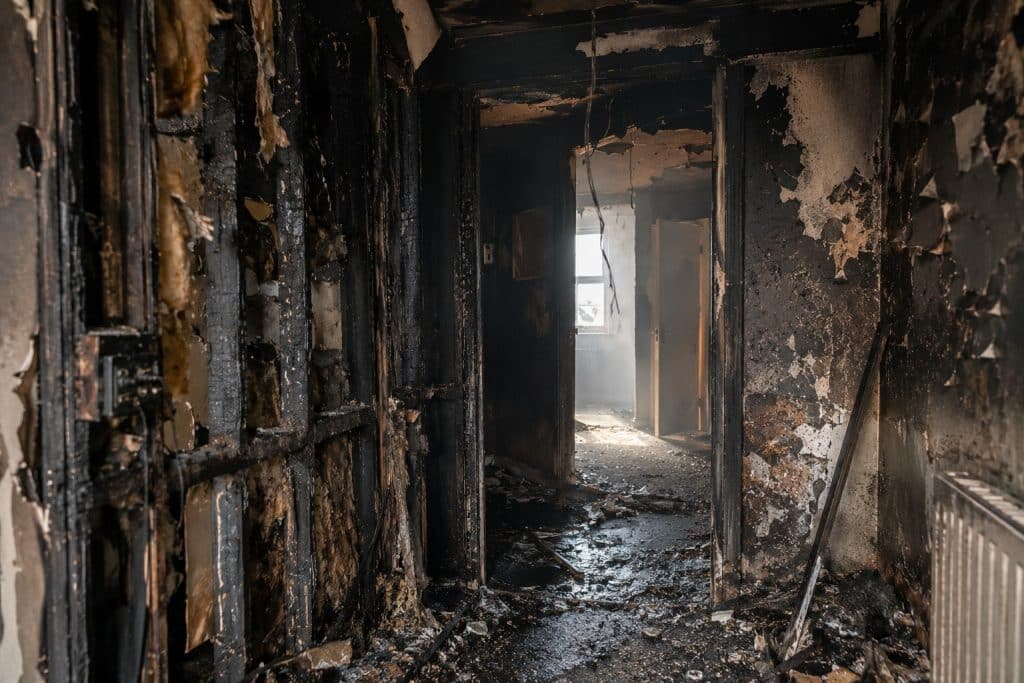
When a fire breaks out, every second counts. The ability to leave a building quickly and safely can make all the difference, which is why modern buildings are carefully designed with dedicated escape routes. However, simply having a corridor, staircase or exit door isn’t enough. To remain safe during a fire, these routes must be […]
Tag Archives: Fire Safety Measures
04
Jun
Jun
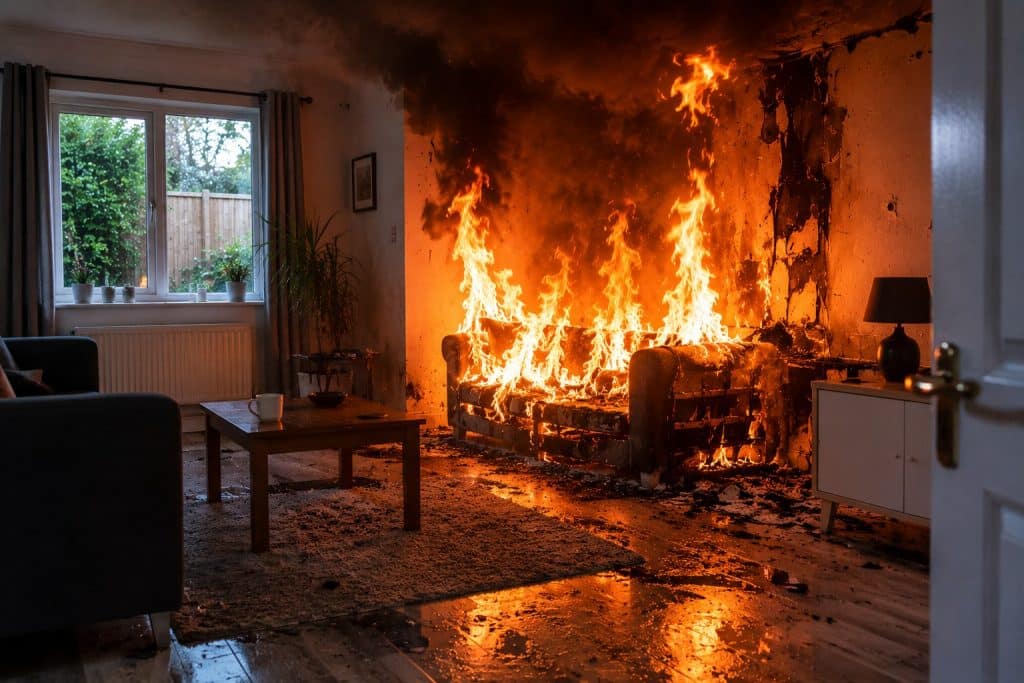
Most people are familiar with visible fire safety measures such as smoke alarms, fire extinguishers, and sprinkler systems. These systems play an important role in detecting and responding to fires, but there is another layer of protection that often goes unnoticed: passive fire protection. Passive fire protection is built into the structure of a building. […]
04
Jun
Jun
When a major fire makes the news, one question often comes up afterwards: why did one building suffer extensive damage while another remained largely intact? At first glance, it may seem like luck plays a major role. However, the reality is that a building’s ability to withstand a fire is often determined long before the […]
03
Jun
Jun
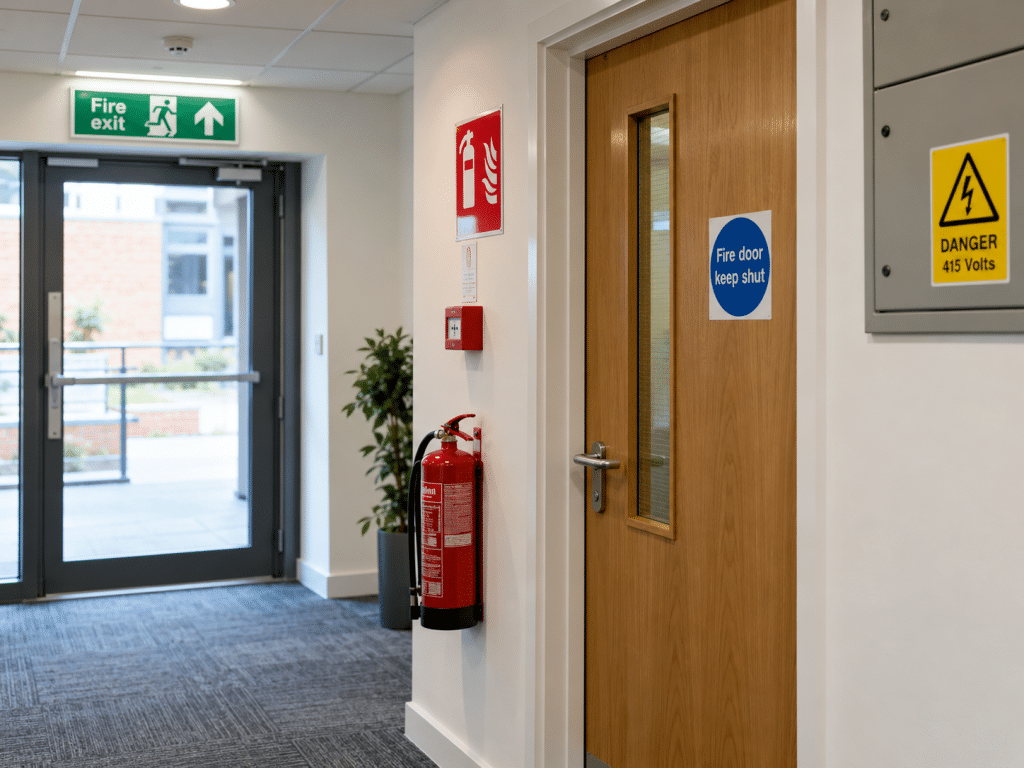
Walk through almost any workplace, school, hospital, warehouse, or public building, and you’ll notice a variety of fire safety signs displayed on walls, doors, and equipment. Some are red, some are green, others are blue or yellow. While these colours may seem like a simple design choice, they actually serve a very important purpose. Fire […]
19
May
May
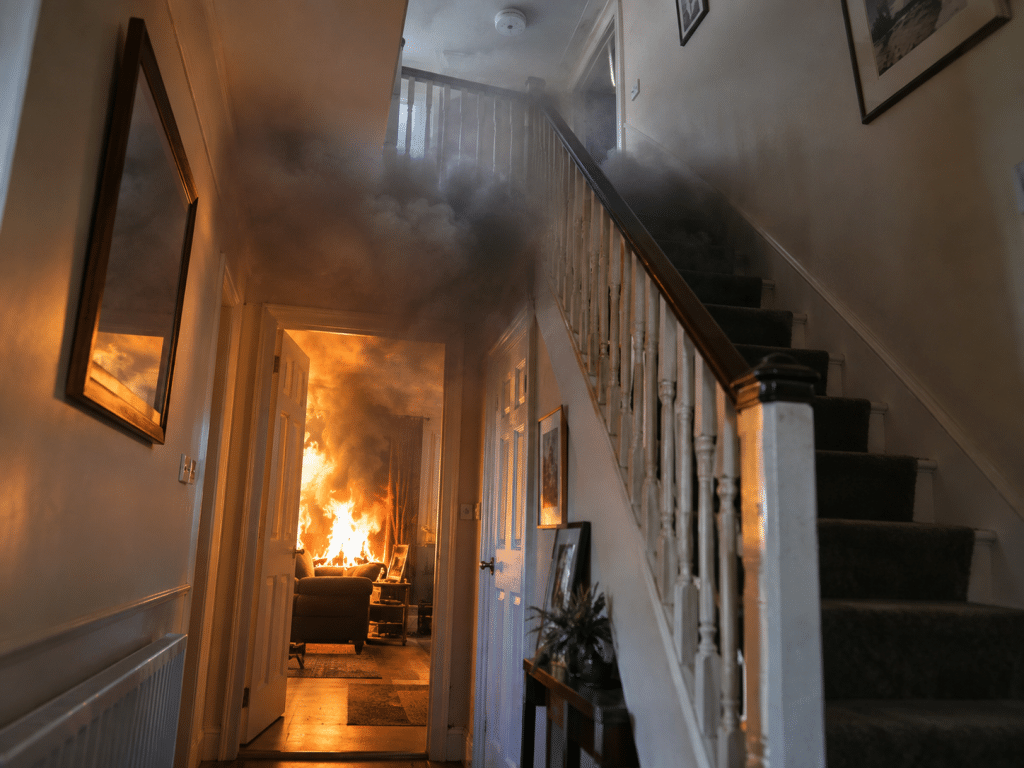
One of the most important things to understand about fire is that it naturally moves upwards. This behaviour affects how fires spread through buildings, how smoke travels, and how fire safety systems are designed to protect people and property. Although it may seem like a simple observation, the upward movement of fire has major implications […]
24
Oct
Oct
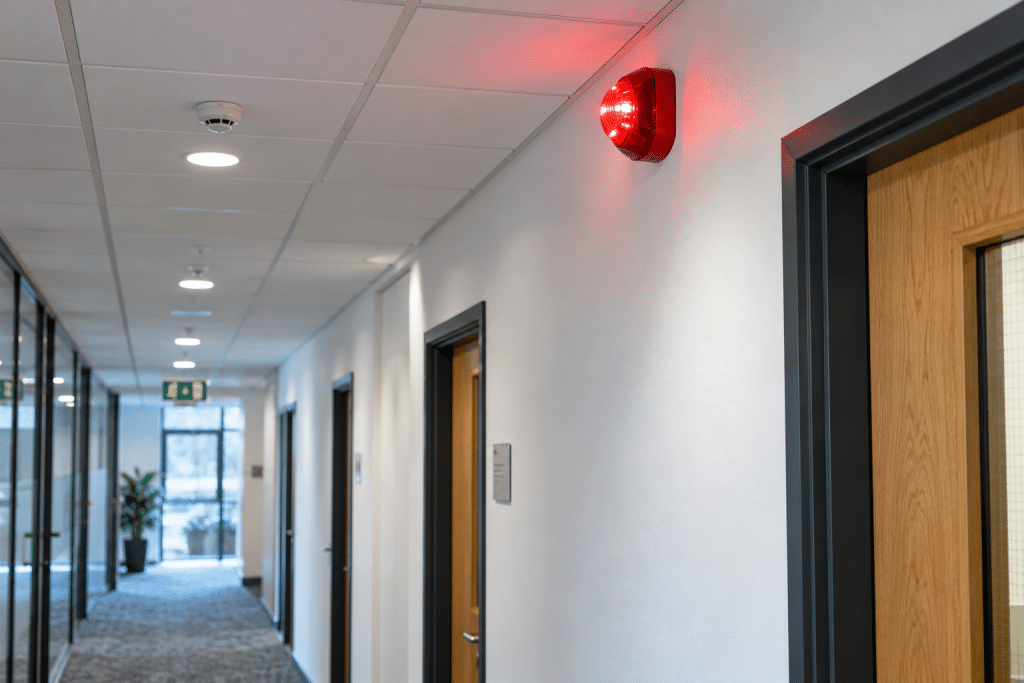
When planning your workplace fire safety system, sounders and bells are often the first things that come to mind. But what if someone can’t hear them? Whether due to a hearing impairment, high background noise, or specific environmental conditions, audible alarms alone may not be enough to keep everyone safe. That’s where visual alarms, also […]

16
Sep
Sep
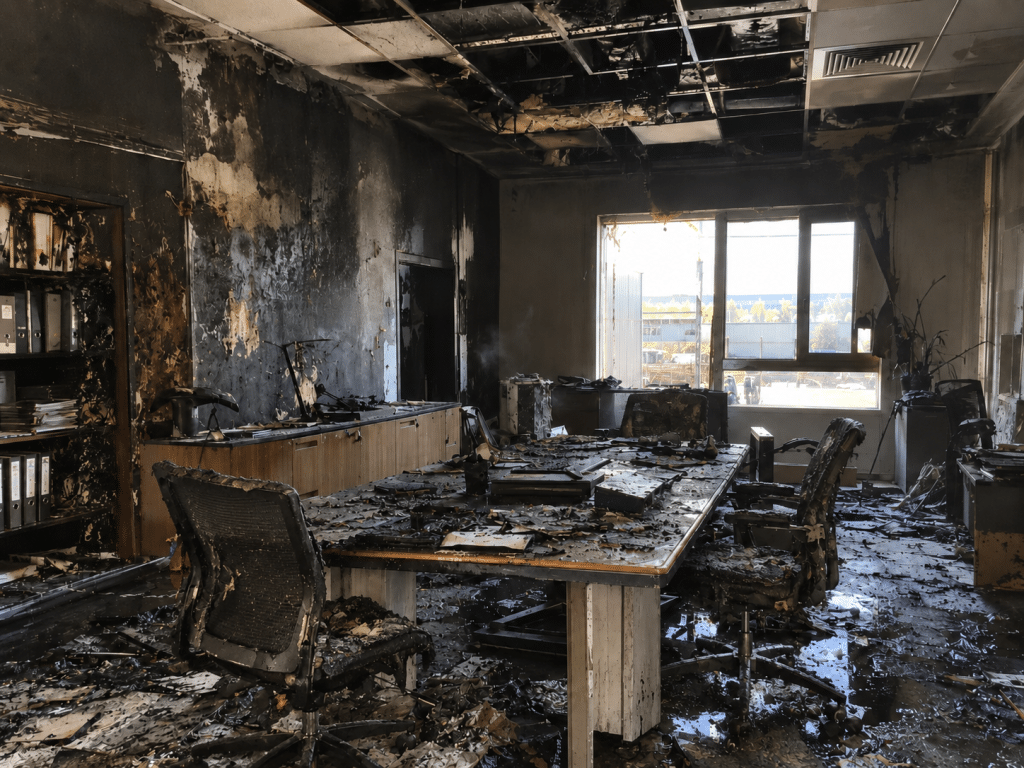
If you run a small business with fewer than five employees, you may be wondering whether you’re legally required to carry out fire drills. After all, the fire safety rules often mention written risk assessments for businesses with five or more staff, but what does that mean for your fire procedures? The short answer is: […]
15
Jul
Jul
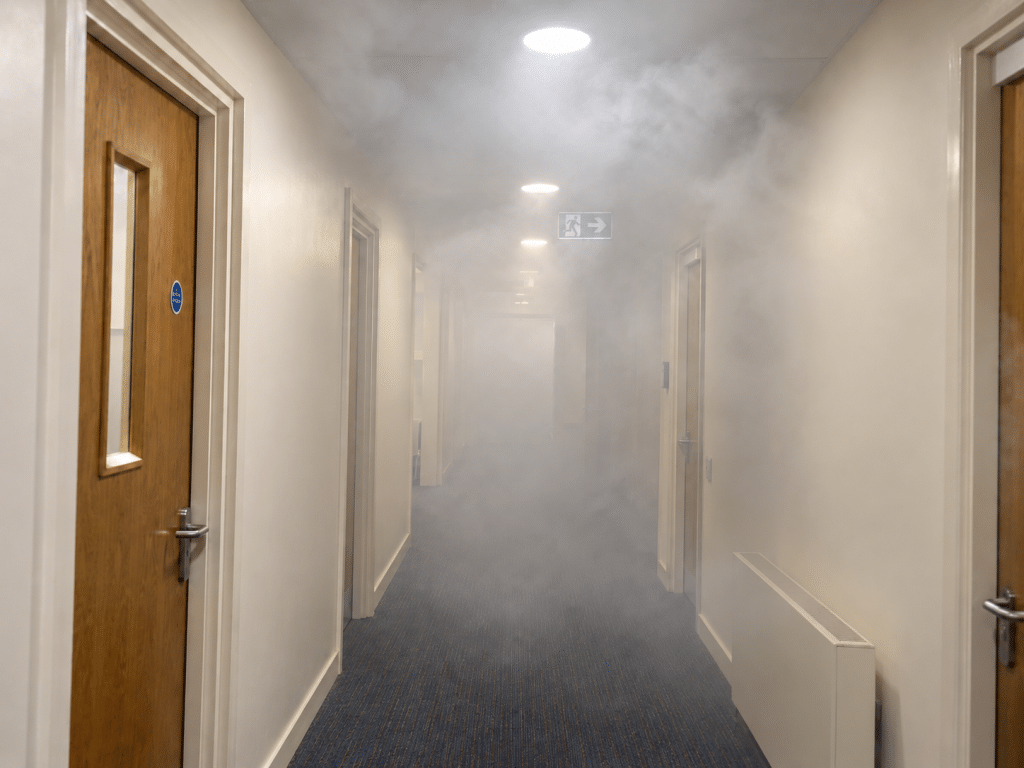
It’s a common misconception: once your fire alarm system, extinguishers or emergency lighting are installed and signed off, you’re fully protected for years to come. But fire safety is not a “fit and forget” task. Buildings evolve, sometimes gradually, sometimes overnight. Offices get rearranged, staff numbers increase, storage piles up in new areas, and tenancies […]
09
Jul
Jul
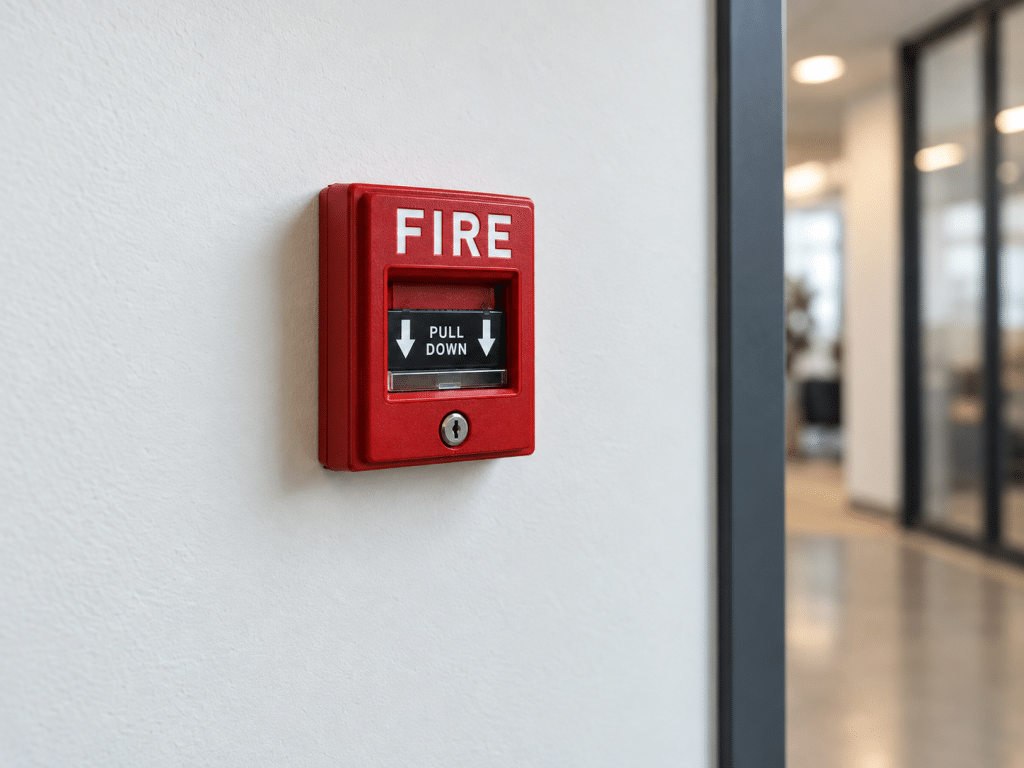
Fire compartmentation is one of the most effective ways to limit the spread of fire and smoke in a building. It’s a cornerstone of passive fire protection, designed to give occupants time to escape and emergency services time to respond. But it’s also vulnerable, especially when those working on your property don’t realise it’s there, […]
06
Apr
Apr
Understanding BS 5839-6 and Choosing the Right System for Your Property Choosing the correct fire alarm system isn’t just about ticking a box—it’s about protecting lives and ensuring your building meets its legal obligations under UK fire safety legislation. But if you’ve ever looked at the British Standard for fire detection systems, you may have […]