

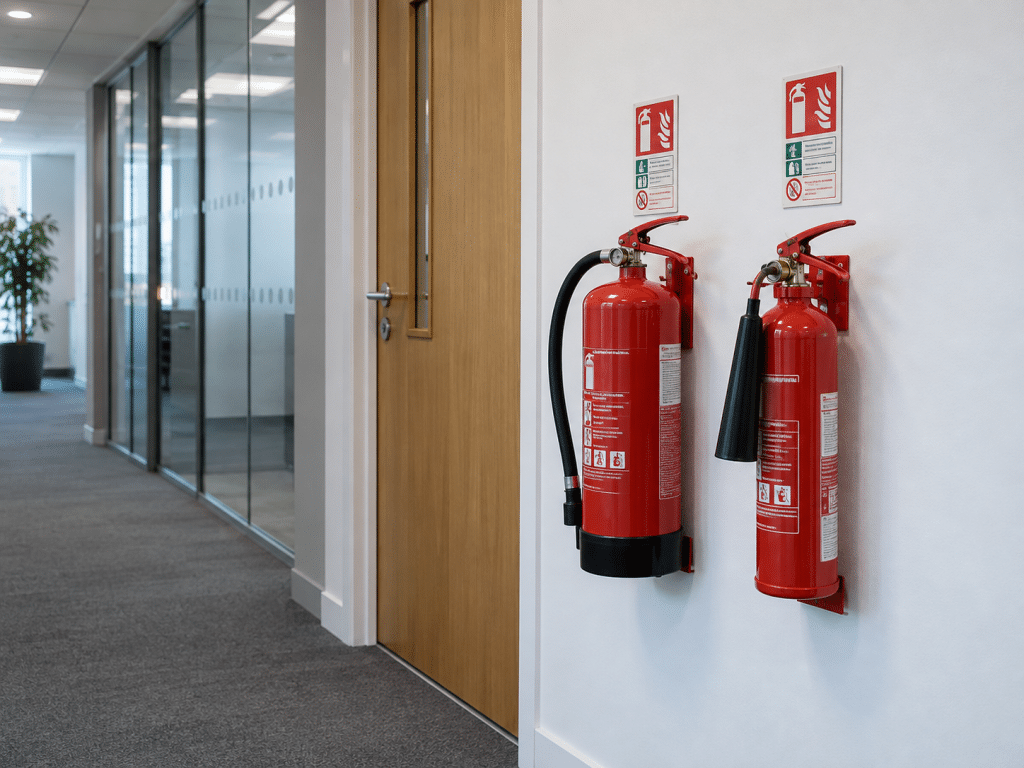
Fire extinguishers are a crucial part of any fire safety plan, providing a first line of defence against small fires before they escalate into major emergencies. However, having fire extinguishers on-site isn’t enough—they must be correctly placed and easily accessible to be effective. In the UK, there are specific guidelines and regulations that dictate where […]
Tag Archives: Fire Protection
07
Feb
Feb
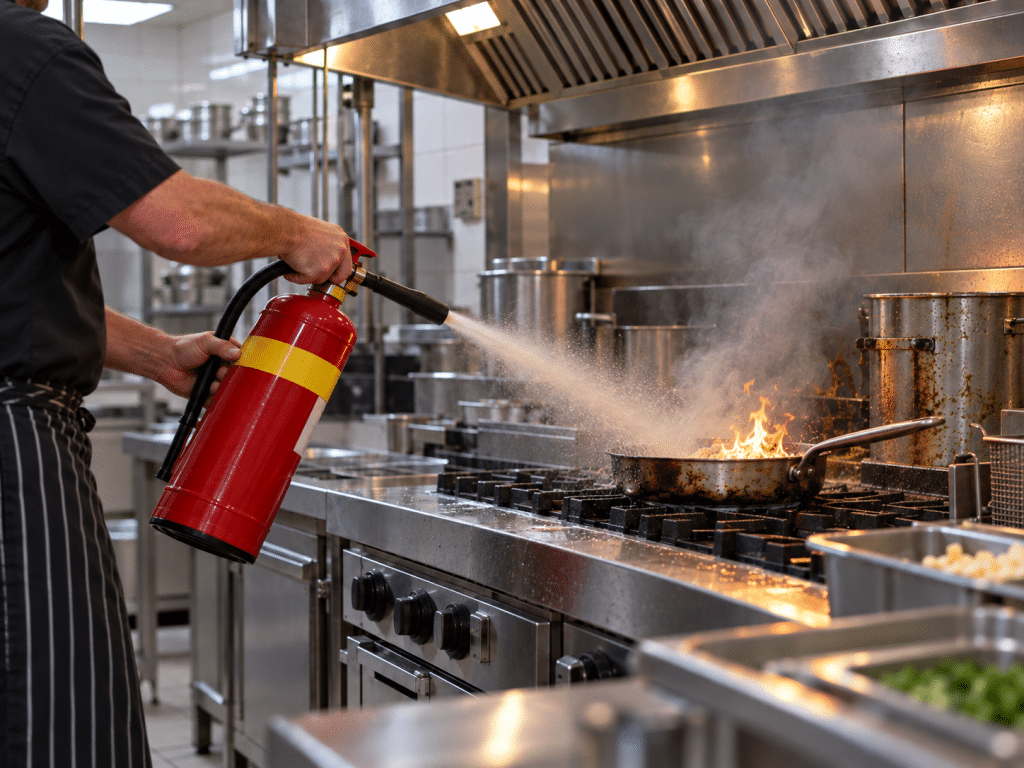
By 4th July 2025, the use of Aqueous Film Forming Foam (AFFF) fire extinguishers will be completely banned in the UK. This significant regulatory change comes as part of the government’s efforts to address the growing environmental and health concerns linked to per- and polyfluoroalkyl substances (PFAS)—the chemicals found in AFFF. These substances, often called […]

06
Feb
Feb
On 2nd December 2024, the UK government released its response to the Emergency Evacuation Information Sharing Plus (EEIS+) consultation, introducing new requirements for Residential Personal Emergency Evacuation Plans (PEEPs). These policies are designed to ensure that individuals who require assistance during emergencies, particularly in multi-occupancy residential buildings, have tailored evacuation plans in place. The changes […]
05
Feb
Feb
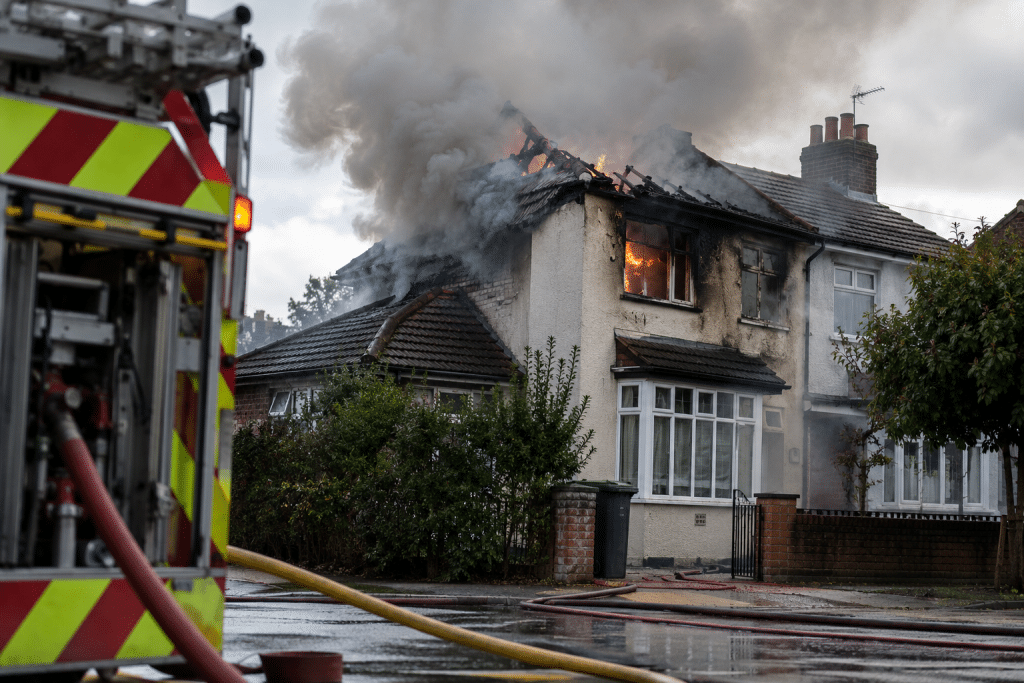
In a significant move to enhance building safety and align with international best practices, the UK government has announced the withdrawal of the national fire testing standards (BS 476 series) in favour of the European standards (BS EN 13501 series). This transition will be implemented in stages, with the first major changes taking effect from […]
05
Feb
Feb
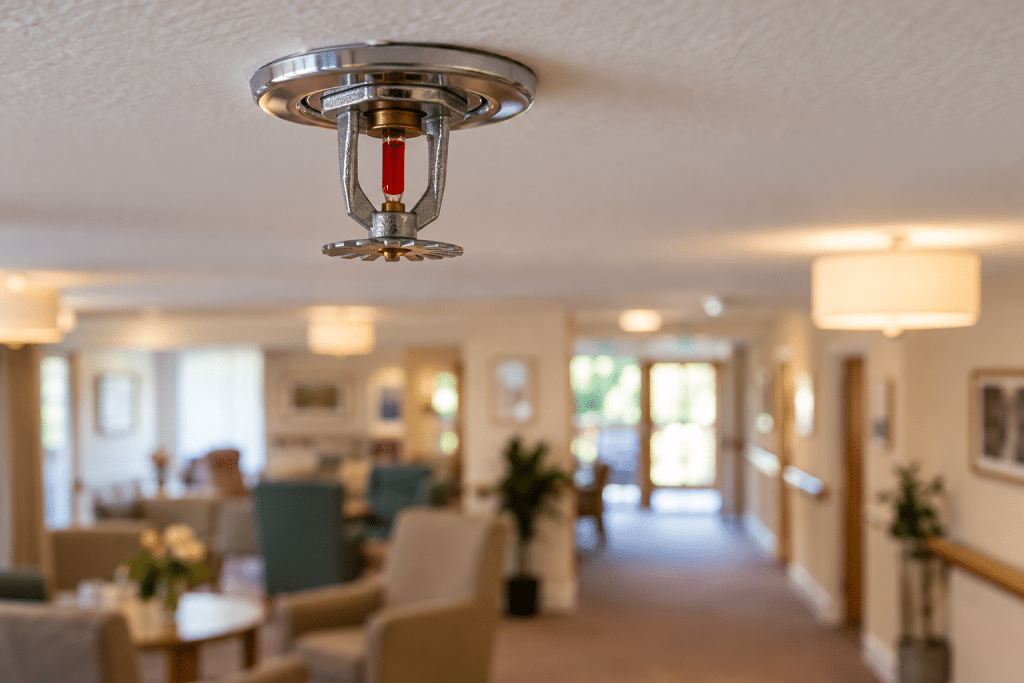
In a landmark move to improve fire safety in care homes, the UK government has announced that all newly constructed care homes, regardless of height, must have sprinkler systems installed from 2nd March 2025. This change forms part of a broader review of fire safety regulations and aims to provide greater protection for vulnerable residents […]
31
Jan
Jan
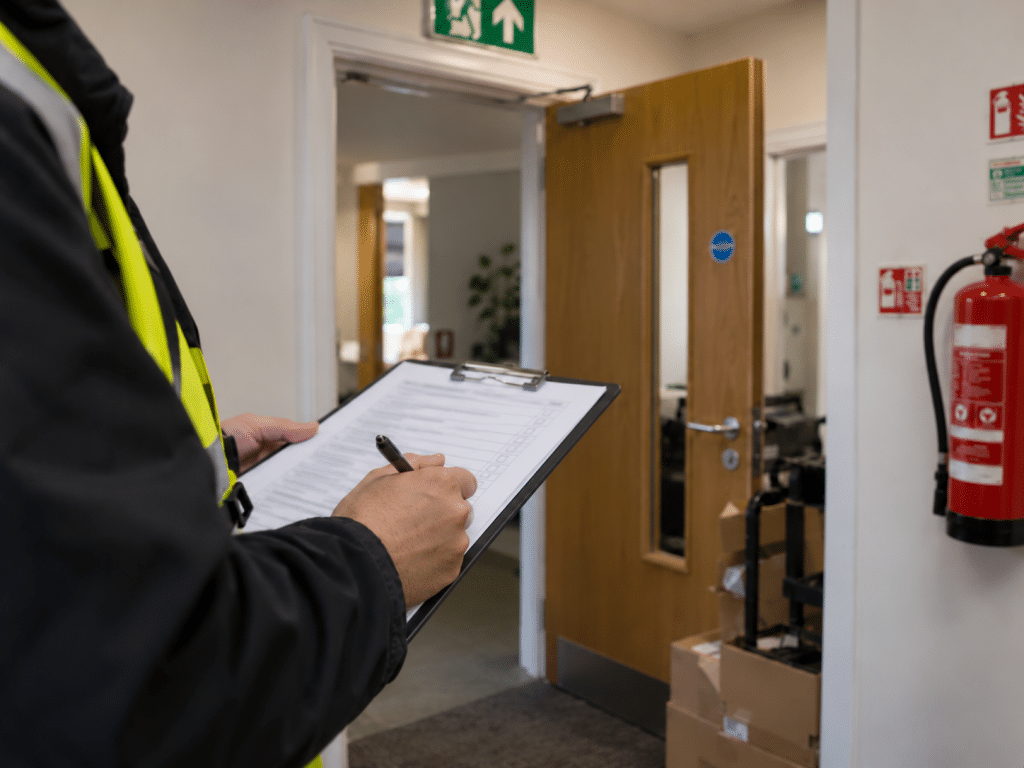
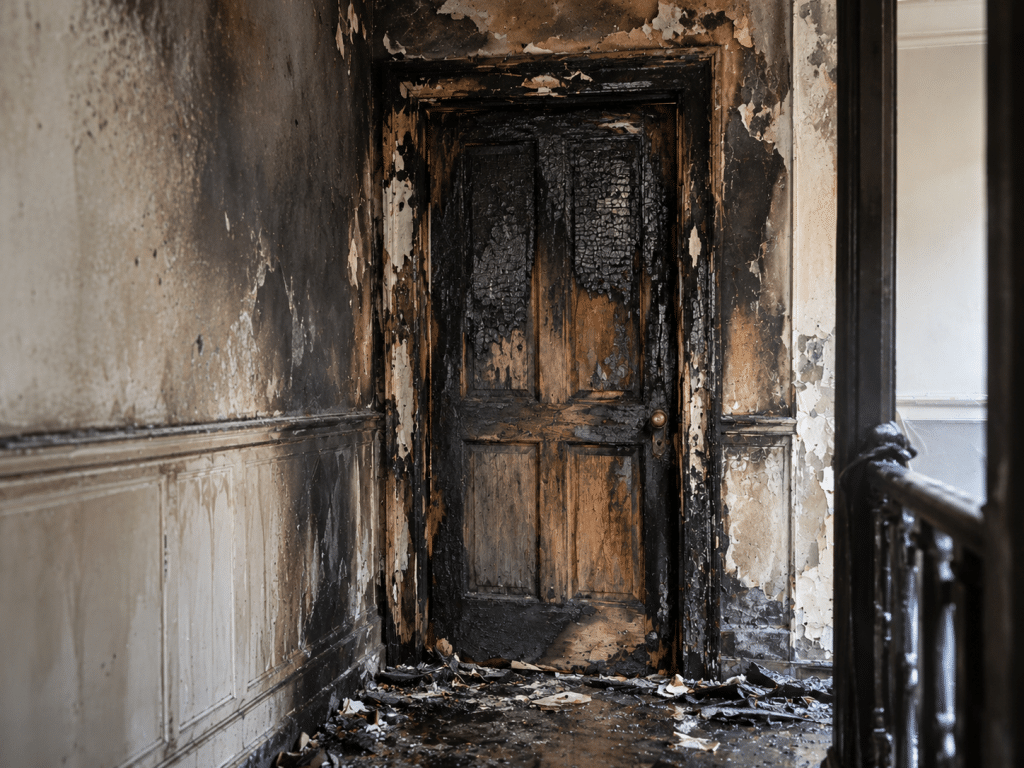
Fire safety is a critical aspect of running a business, and regular fire safety inspections ensure that commercial properties meet the necessary legal requirements. However, failing a fire safety inspection can have serious consequences, from legal penalties to putting lives at risk. If your business doesn’t meet fire safety regulations, it’s essential to act quickly […]
15
Jan
Jan
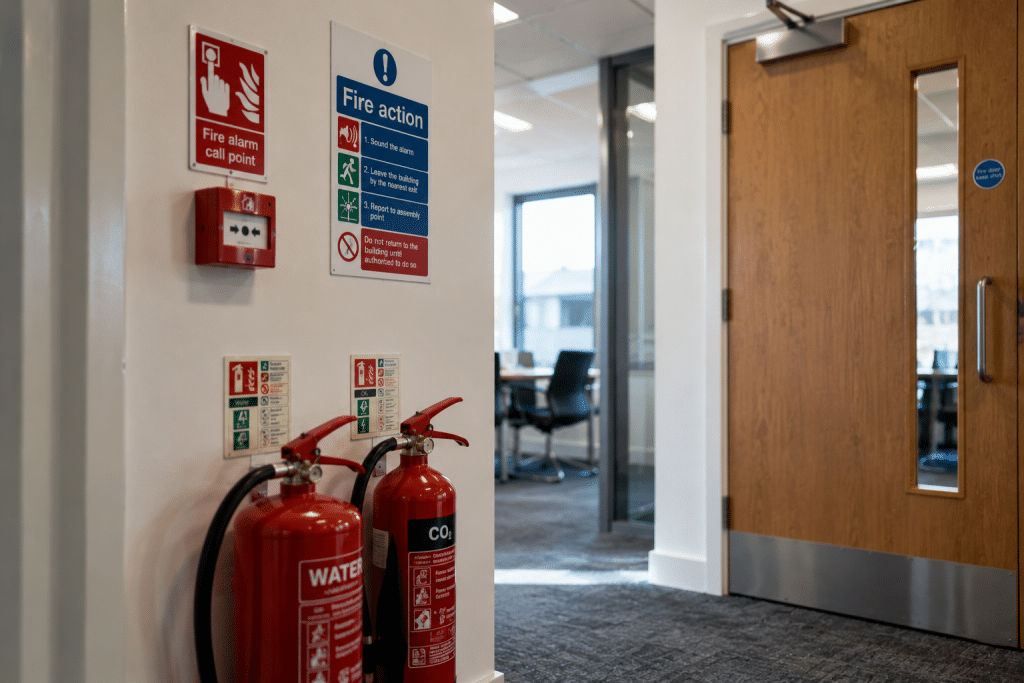
Fire safety regulations continue to evolve, and older buildings face unique challenges in meeting modern compliance standards. Fire doors, a cornerstone of passive fire protection, play an essential role in containing fires, providing safe evacuation routes, and safeguarding property. Upgrading fire doors in older buildings requires a careful balance between achieving modern safety standards and […]
15
Jan
Jan
As we enter 2025, the UK is set to implement significant changes in fire safety legislation aimed at enhancing building safety and protecting vulnerable populations. These updates, outlined in amendments to Approved Document B (Fire Safety), will impact construction practices, residential safety measures, and the credentials of fire risk professionals. It’s crucial for businesses, property […]

07
Dec
Dec
Fire safety in buildings often relies on seemingly small components that play a crucial role during emergencies. One such element is intumescent strips, a simple yet highly effective fire protection measure commonly installed in fire doors and partitions. These strips might not look like much, but when a fire occurs, they can mean the difference […]

05
Dec
Dec
When it comes to fire safety, fire-retardant materials play a crucial role in delaying ignition, slowing the spread of flames, and reducing the intensity of a fire. But how do they work? Fire-retardant materials rely on advanced chemistry and engineering to reduce fire risks, providing valuable time for evacuation and firefighting efforts. This blog takes […]