

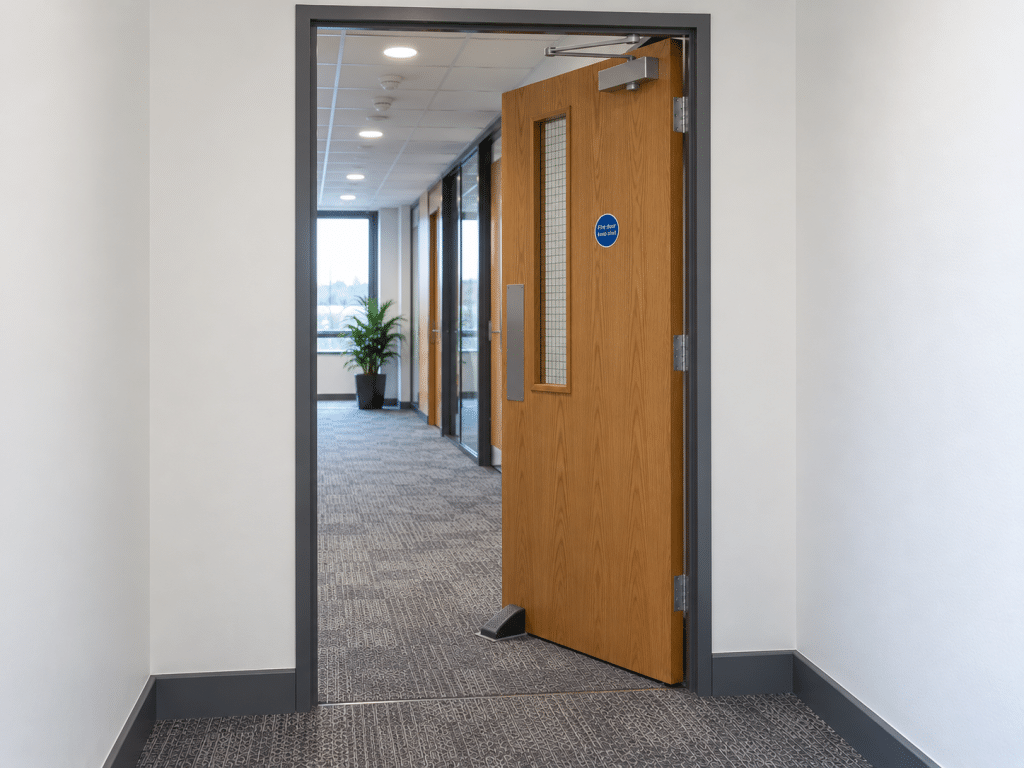
Fire doors are an essential part of a building’s fire protection system, helping to slow the spread of fire and smoke while giving occupants valuable time to escape in an emergency. However, even a correctly installed fire door can become less effective if it isn’t properly maintained. Whether you manage commercial premises in Gloucester, own […]
Tag Archives: Fire Protection
13
Aug
Aug
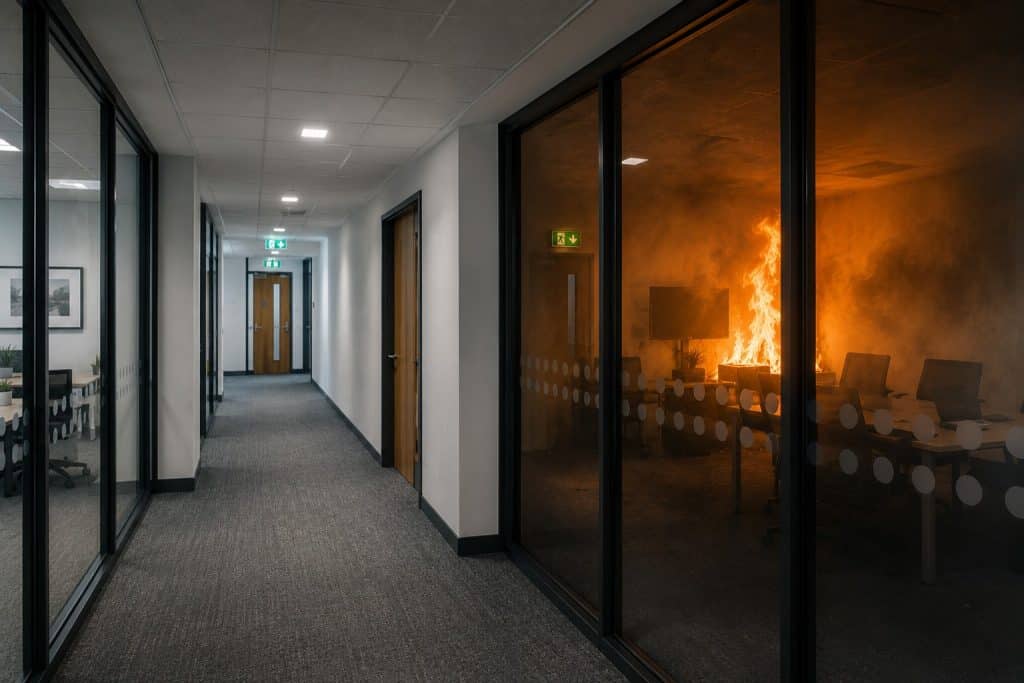
Fire safety terminology can sometimes make relatively simple ideas sound complicated. One term you may come across in building plans, fire strategies, or passive fire protection surveys is a compartment line. Although you won’t normally see a compartment line when walking through a finished building, it represents an extremely important boundary. It indicates where fire-resisting […]
04
Jun
Jun
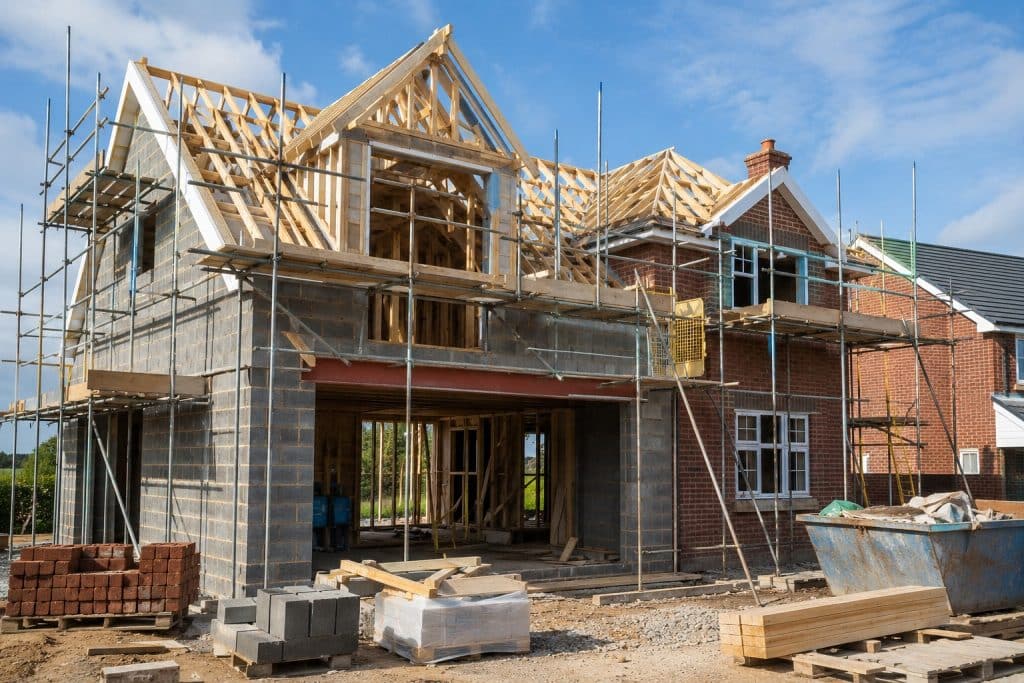
If you could compare a typical home today with one from 20 years ago, you might assume that modern properties are automatically safer in every respect. After all, building regulations have improved, smoke alarms are more common, and fire safety awareness has increased significantly. However, the reality is more complicated. While today’s homes often benefit […]
07
Apr
Apr
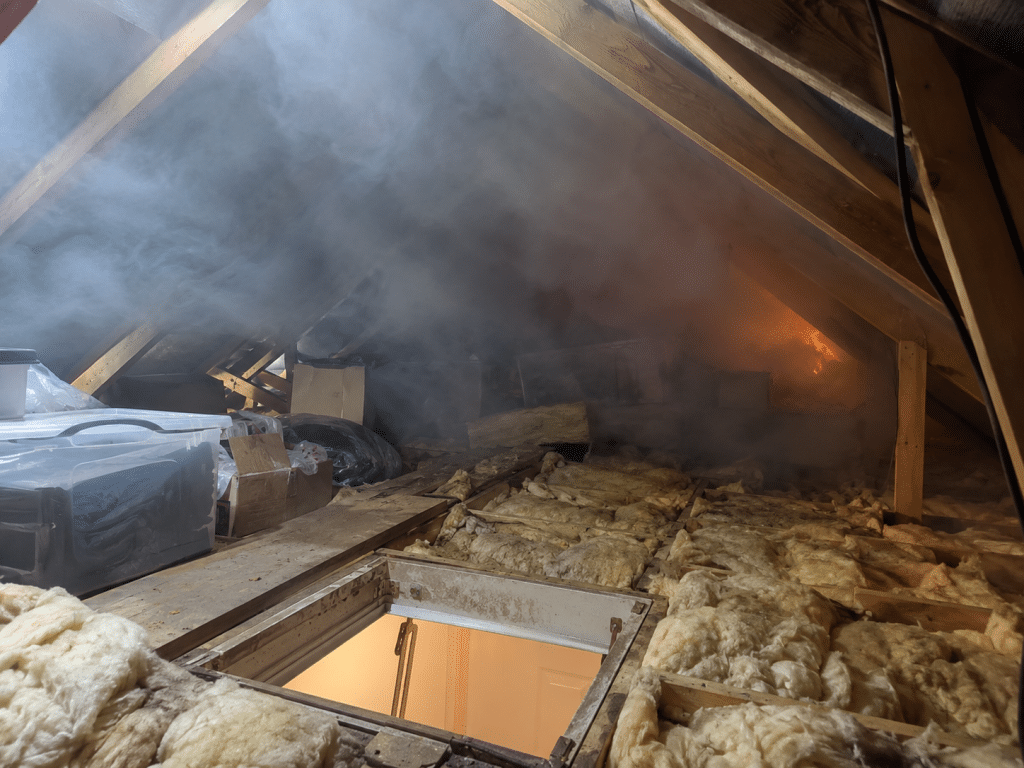
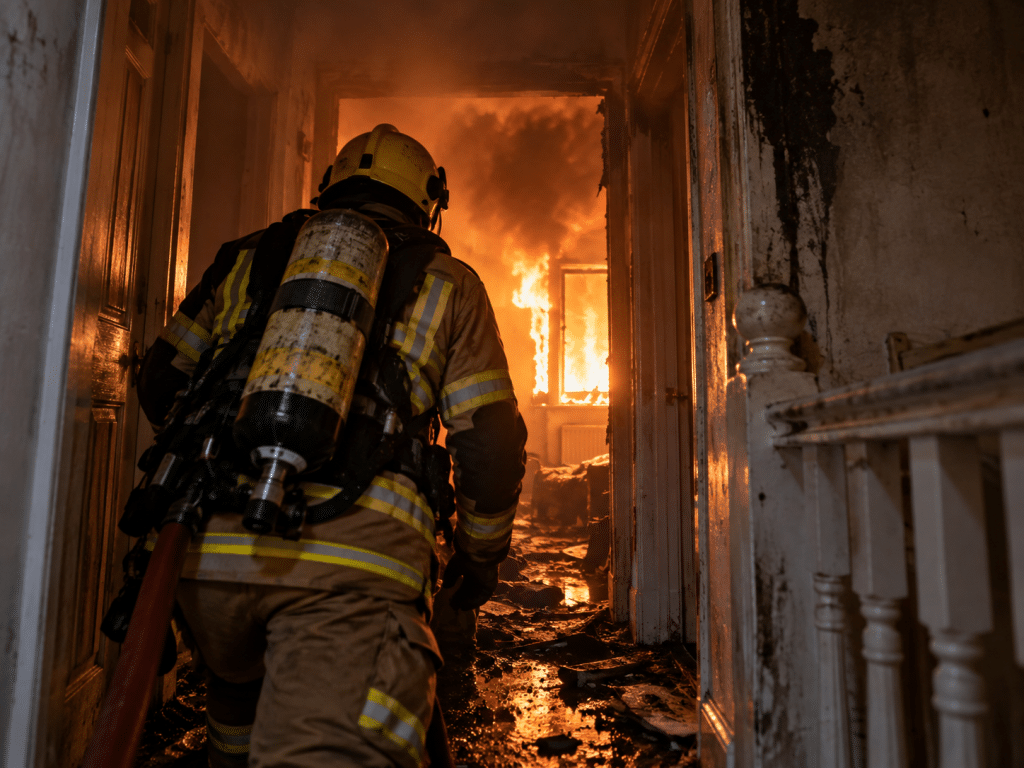
In many buildings, a fire doesn’t stay where it starts. One of the most common and overlooked ways it spreads is through the loft space, where open areas and hidden services can allow fire and smoke to travel rapidly across a property. Because lofts sit above living areas and often connect multiple rooms, they can […]
30
Mar
Mar
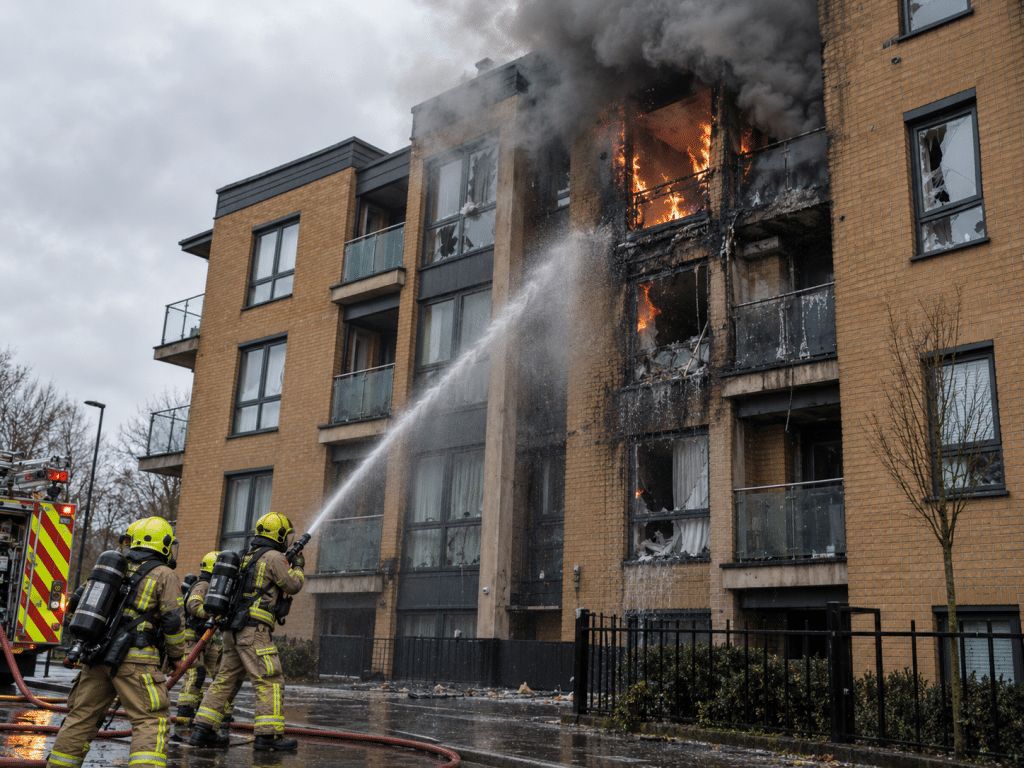
Fire safety has improved significantly over the years, but fires remain a real and ongoing risk across the UK. By looking at the latest fire statistics, we can better understand where fires start, why they happen, and what can be done to prevent them. Statistics don’t just show numbers; they highlight patterns, behaviours, and risks […]
16
Mar
Mar
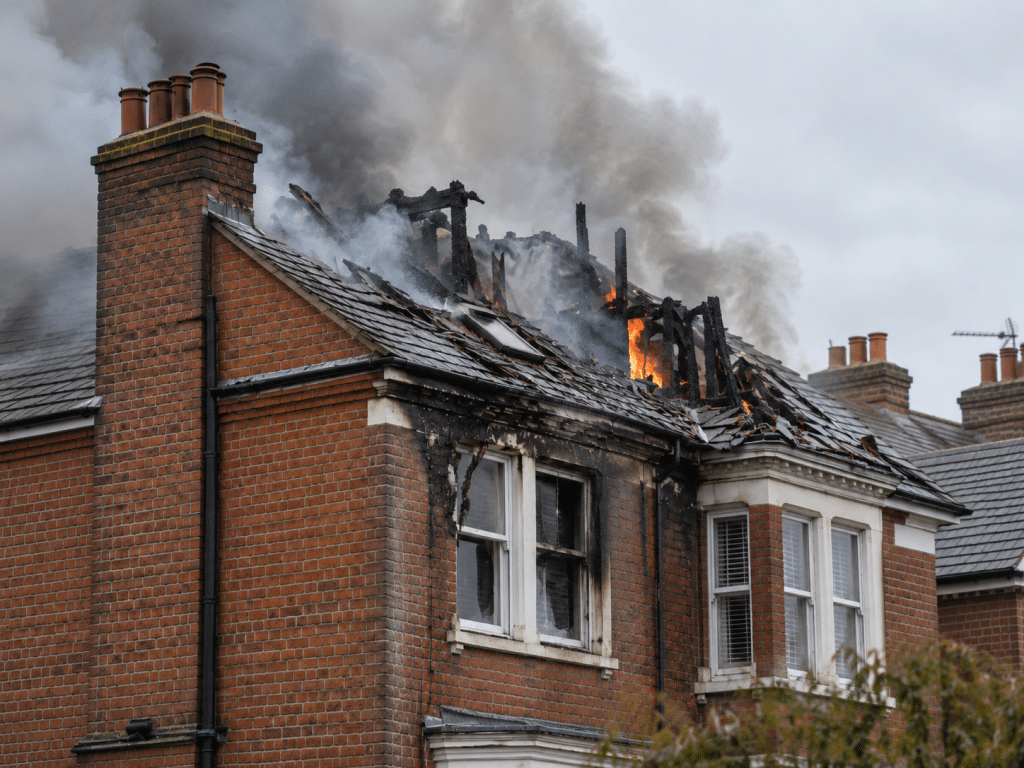
Fires can start suddenly and spread quickly, causing devastating damage to buildings, businesses, and homes. While news reports often focus on fires that result in major destruction, what is less widely discussed is how often fire protection systems prevent fires from becoming catastrophic. Every year, a combination of fire safety measures, from alarms and extinguishers […]
16
Mar
Mar
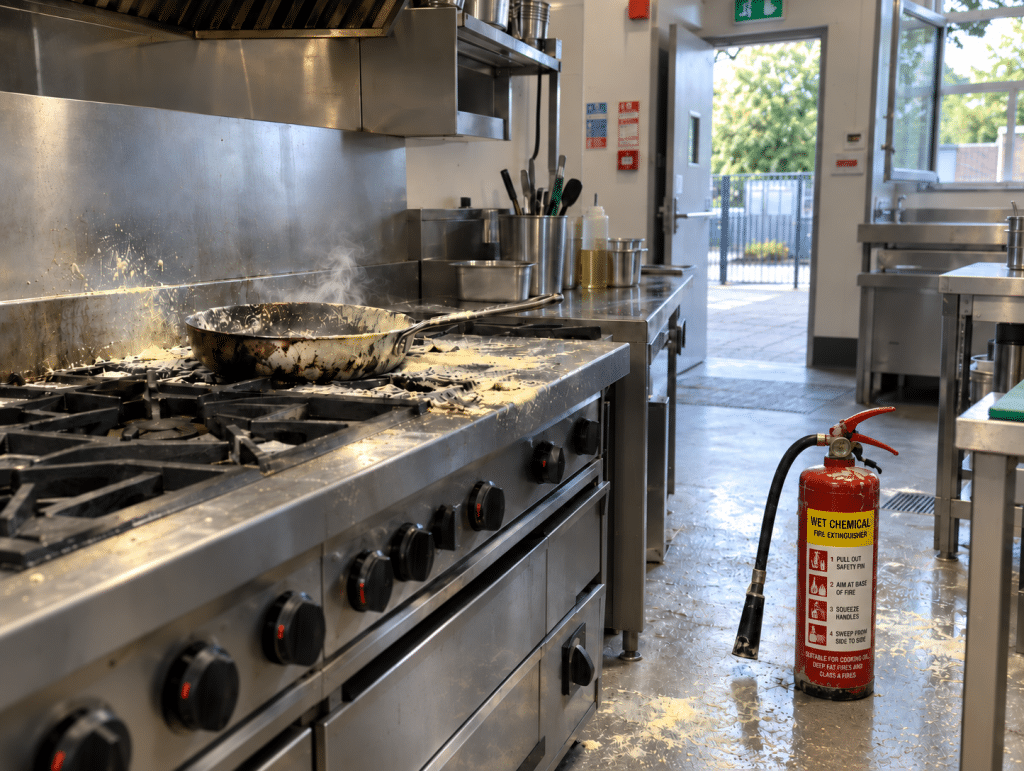
When people think about fire safety in buildings, they often focus on alarms, extinguishers, or fire doors. However, one of the most important factors in how a fire behaves is the materials used to build the structure itself. Some materials burn easily and can fuel a fire, while others resist heat and flames much more […]
09
Dec
Dec
In the moment of an emergency, using a fire extinguisher is often your first line of defence. But once the flames are out (or the extinguisher is empty), what should you do next? Knowing what to do immediately after using a fire extinguisher is just as important as knowing how to use one. Whether you’ve […]
14
Nov
Nov
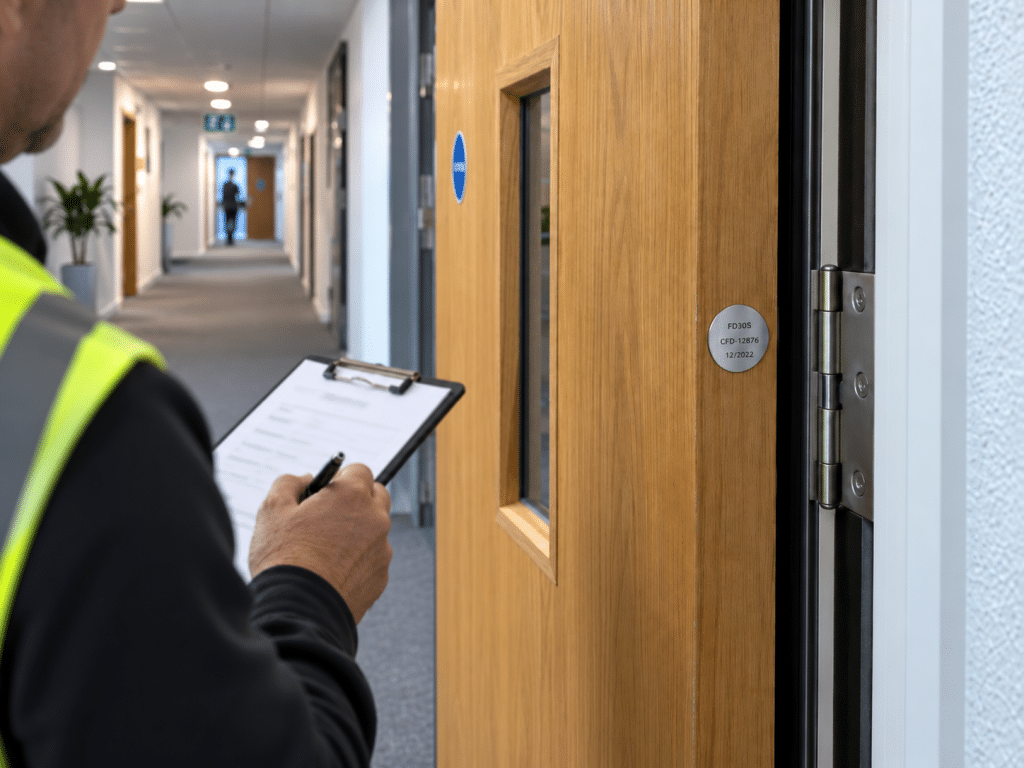
Fire doors are one of the most critical passive fire protection measures in any building. But how do you know that a door is truly certified and that it’s installed as tested? Enter the fire door certificate, a document that provides evidence that the door has been tested to meet a specific fire resistance rating. […]
07
Nov
Nov
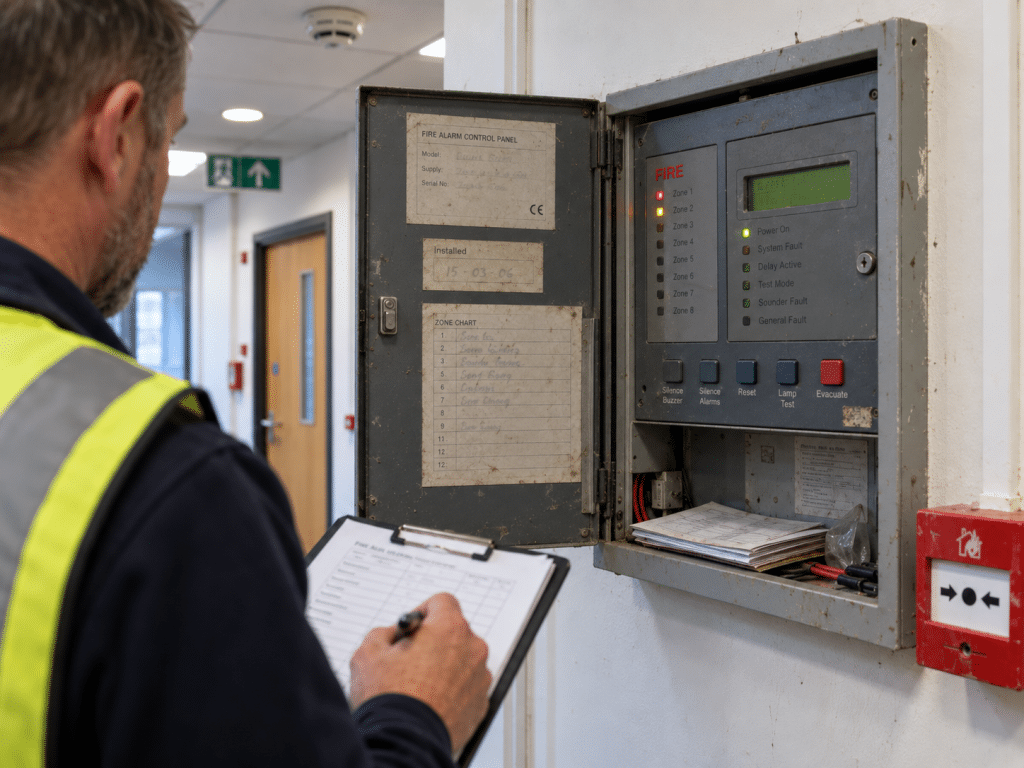
Fire alarm systems are one of the most vital pieces of life safety equipment in any building, but like all technology, they don’t last forever. Even if your fire alarm still activates when tested, that doesn’t necessarily mean it meets current safety standards. In fact, many older systems may no longer be compliant with BS […]