

If you could compare a typical home today with one from 20 years ago, you might assume that modern properties are automatically safer in every respect. After all, building regulations have improved, smoke alarms are more common, and fire safety awareness has increased significantly.
However, the reality is more complicated.
While today’s homes often benefit from better fire safety standards and improved protection measures, they also contain new risks that were far less common two decades ago. Modern construction methods, changing lifestyles, and the growing number of electrical devices in our homes have all influenced how fires start and spread.
So, is your home actually more fire safe than it would have been 20 years ago?
The answer is both yes and no.
Modern Homes Are Designed with Fire Safety in Mind
One of the biggest improvements over the past two decades has been the way homes are designed and built.
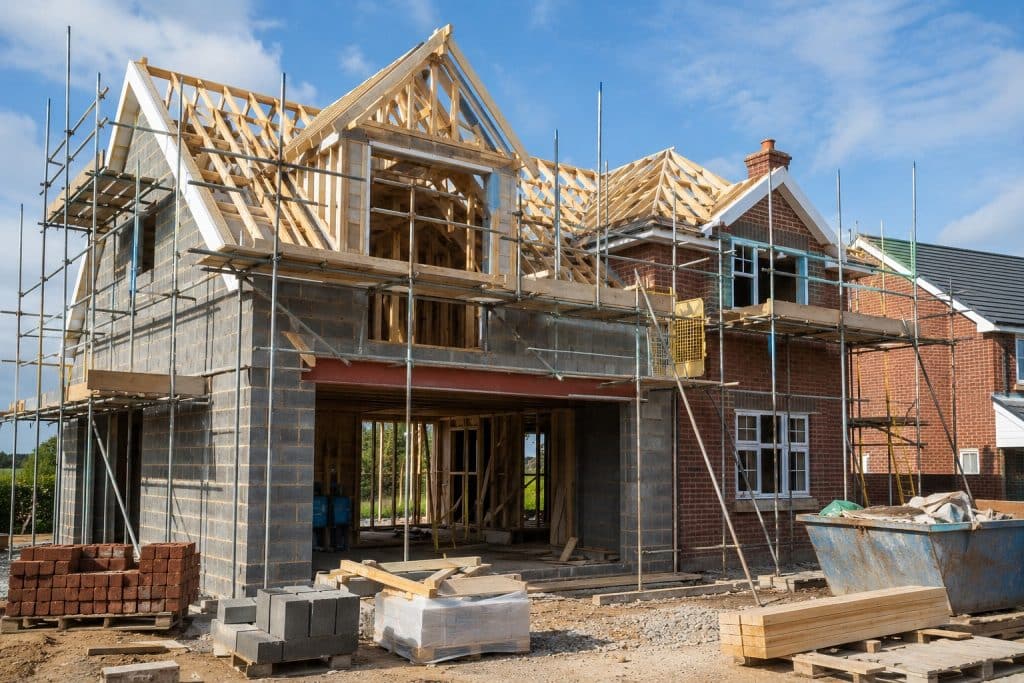
Building regulations have evolved considerably, with greater emphasis placed on fire resistance, means of escape, smoke detection, and compartmentation. Newer homes often include features specifically intended to slow the spread of fire and smoke.
Fire-resistant materials, protected escape routes, cavity barriers, and improved standards for electrical installations all help improve overall safety.
In many respects, the structure of a modern home is better prepared to cope with a fire than homes built several decades ago.
Smoke Detection Has Improved Significantly
Twenty years ago, it was not uncommon for homes to have only a single battery-operated smoke alarm, or none at all.
Today, smoke alarm coverage is far more widespread. Modern alarm systems are more reliable, easier to install, and often interconnected so that if one alarm activates, others throughout the property sound at the same time.
This provides an earlier warning and gives occupants more time to escape.
Advances in smoke detection technology have undoubtedly helped improve fire safety and have played a major role in reducing fire-related injuries and fatalities.
We Have More Electrical Devices Than Ever Before
While modern homes have gained many safety improvements, they also contain far more electrical equipment than they did 20 years ago.
Laptops, tablets, smartphones, gaming consoles, smart home devices, battery-powered tools, and countless chargers are now part of everyday life.
Many households have dozens of devices connected to power at any given time.
This increased reliance on electricity creates additional potential ignition sources. Faulty chargers, damaged cables, overloaded sockets, and malfunctioning appliances can all contribute to fire risk if not properly managed.
In many ways, today’s homes are more electrically complex than ever before.
The Rise of Lithium-Ion Batteries
One of the biggest changes in recent years has been the widespread use of lithium-ion batteries.
These batteries power everything from mobile phones and laptops to e-bikes, e-scooters, power tools, and smart devices. While generally safe when used correctly, damaged or poorly manufactured batteries can present serious fire risks.
Twenty years ago, this particular hazard was far less common because battery-powered technology was not nearly as widespread.
As our reliance on rechargeable devices continues to grow, battery safety has become an increasingly important aspect of home fire prevention.
Modern Furnishings Can Burn Differently
The contents of our homes have changed considerably over the years.
Many modern furnishings contain synthetic materials, plastics, foams, and composite products. While fire safety standards have improved, these materials can behave differently during a fire compared to some traditional materials.
When exposed to fire, synthetic materials may burn faster, produce higher levels of heat, and generate significant amounts of smoke.
As a result, modern house fires can sometimes develop more rapidly than many people expect.
This makes early detection and quick evacuation even more important.
Open-Plan Living Has Changed Fire Behaviour
Open-plan layouts have become increasingly popular in modern homes.
Large kitchen-dining areas and open living spaces create bright, flexible environments, but they can also influence how fire and smoke spread.
With fewer internal walls and doors, heat and smoke may travel more freely through the property. In some situations, this can allow a fire to affect a larger area more quickly than it might in a more compartmentalised home.
This does not necessarily make open-plan homes unsafe, but it does mean that fire safety measures such as smoke detection become even more important.
Fire Safety Features Are Often Hidden
One reason modern homes may be safer than their older counterparts is the number of fire protection measures that are built into the structure itself.
Many of these features are rarely seen by homeowners.
Cavity barriers, fire-resistant construction materials, fire stopping around services, and protected structural elements all help slow fire spread behind the scenes.
Most people will never notice these systems during normal daily life, but they can play a significant role in limiting fire damage when an incident occurs.
Older Homes Often Need Upgrades
Not every older property is less safe than a modern one. Many older homes have been upgraded with modern wiring, smoke alarms, and improved fire safety measures.
However, some properties may still contain outdated electrical systems, ageing wiring, or building features that do not meet current standards.
Regular maintenance and periodic upgrades can help ensure older homes continue to provide effective protection.
In many cases, the condition and upkeep of a property are just as important as its age.
Fire Safety Is About Awareness as Much as Technology
While modern technology has improved fire safety in many ways, the behaviour of occupants remains one of the most important factors.
Testing smoke alarms, avoiding overloaded sockets, maintaining electrical systems, and understanding fire risks all contribute to a safer home.
The safest homes are not necessarily the newest; they are often the ones where fire safety is actively considered and maintained.
Technology can provide protection, but awareness and good habits remain essential.
Final Thoughts
Compared to 20 years ago, today’s homes generally benefit from improved building standards, better smoke detection, and more advanced fire safety measures. These developments have undoubtedly made many properties safer.
At the same time, modern lifestyles have introduced new challenges, including increased electrical usage, lithium-ion batteries, synthetic furnishings, and open-plan living arrangements that can influence fire behaviour.
As a result, fire safety today is about balancing improved protection with an understanding of modern risks.
Whether your home is brand new or several decades old, maintaining smoke alarms, keeping electrical systems in good condition, and understanding how fires can develop remain some of the most effective ways to protect both your property and the people inside it.
For expert advice on fire protection and prevention measures, contact Martyn Young Fireproofing Consultancy on 07585 896648