


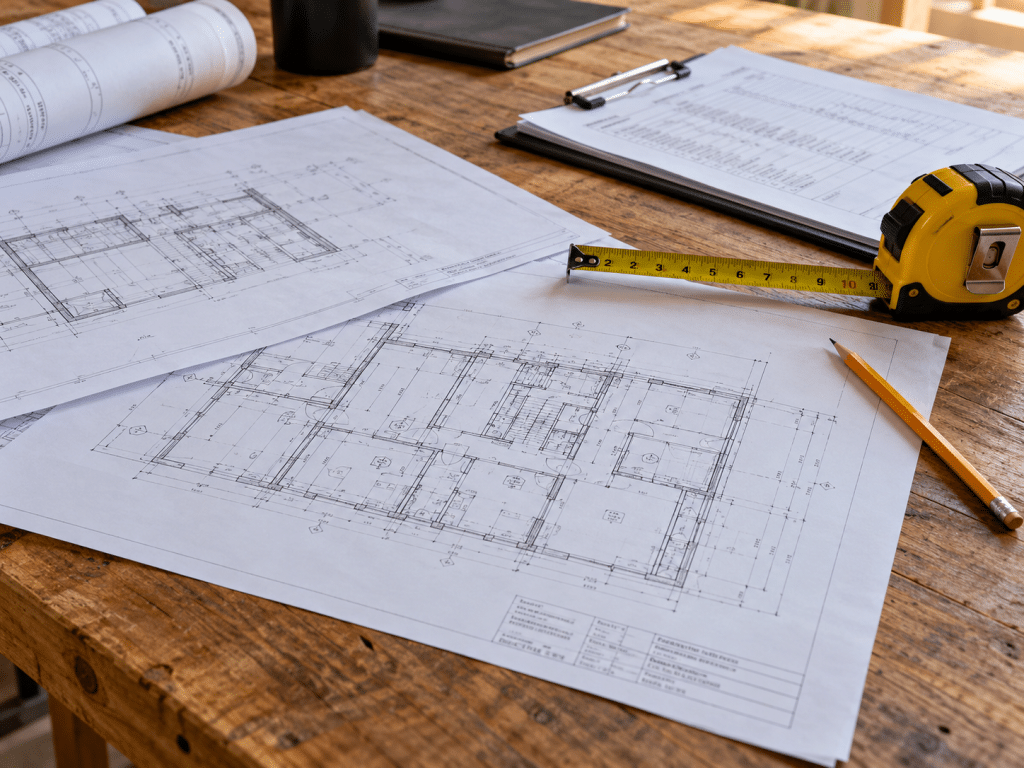
In many buildings across the UK, people assume that internal walls, especially stud partitions, automatically offer some degree of fire resistance. But in reality, this is a dangerous assumption. Not all walls are designed to resist fire, and unless they’ve been constructed and tested to a recognised standard, they may fail quickly during a blaze. […]
Category Archives: Fire News
06
Aug
Aug
When it comes to fire protection, prevention is always better than cure. But what happens when the building is already finished, walls plastered, ceilings boarded, tenants moved in, and someone discovers that passive fire protection is missing or inadequate? This is where retrofit fire stopping comes in. Whether you’re dealing with a listed building, a […]
06
Aug
Aug
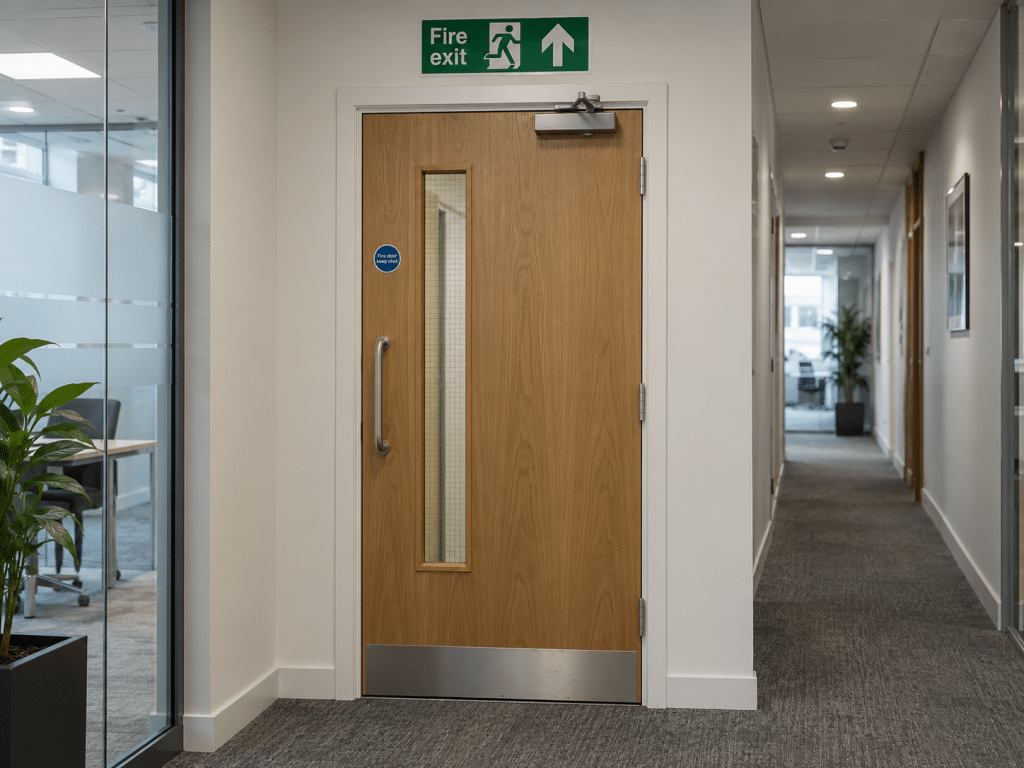
Fire doors are one of the most critical components of any building’s fire safety strategy. They provide vital protection by containing fire and smoke, preserving escape routes, and giving the fire service time to respond. But simply installing a door with a “fire door” sticker isn’t enough. So, do fire doors need third-party certification? While […]
29
Jul
Jul
In a world of next-day delivery and competitive pricing, it’s tempting to buy fire safety products online. But not all products marketed as “compliant” actually meet UK standards. In fact, the growth of online marketplaces has also made it easier for counterfeit and non-certified items to enter workplaces, rental properties, and even schools. If you’re […]

29
Jul
Jul
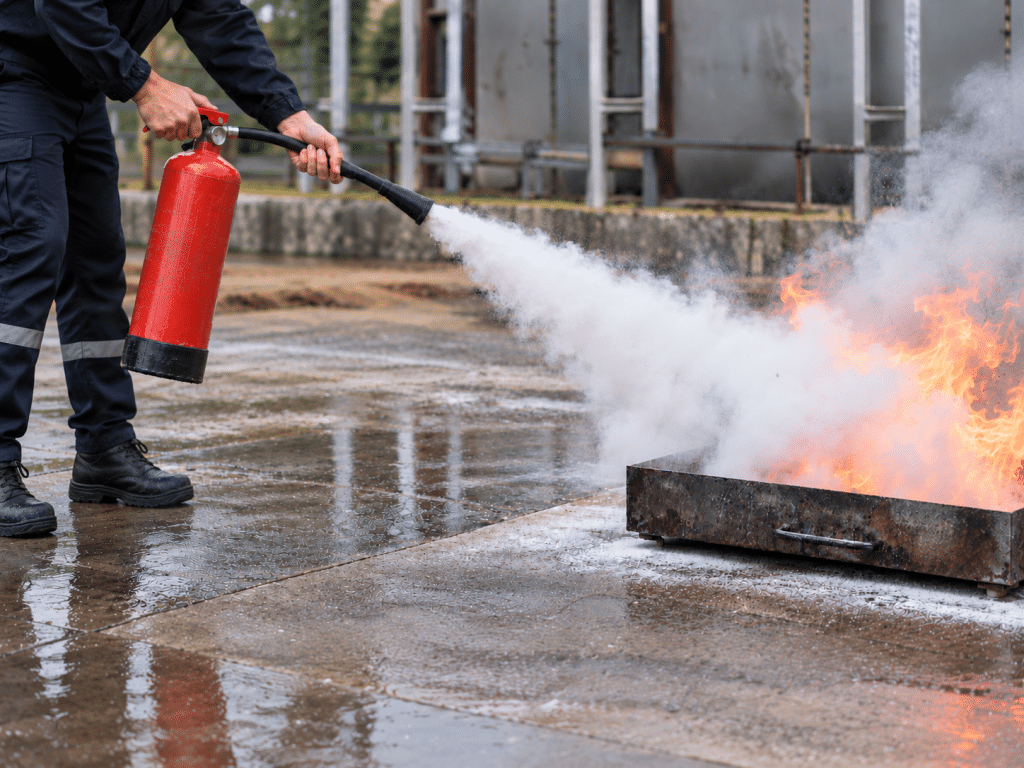
When assessing fire risk in a building, most people think about alarms, extinguishers, or escape routes. But one of the most critical, and often overlooked, factors is fire load. If you’re responsible for fire safety in a building, whether as a business owner, landlord, or facilities manager, understanding fire load can make all the difference […]
25
Jul
Jul
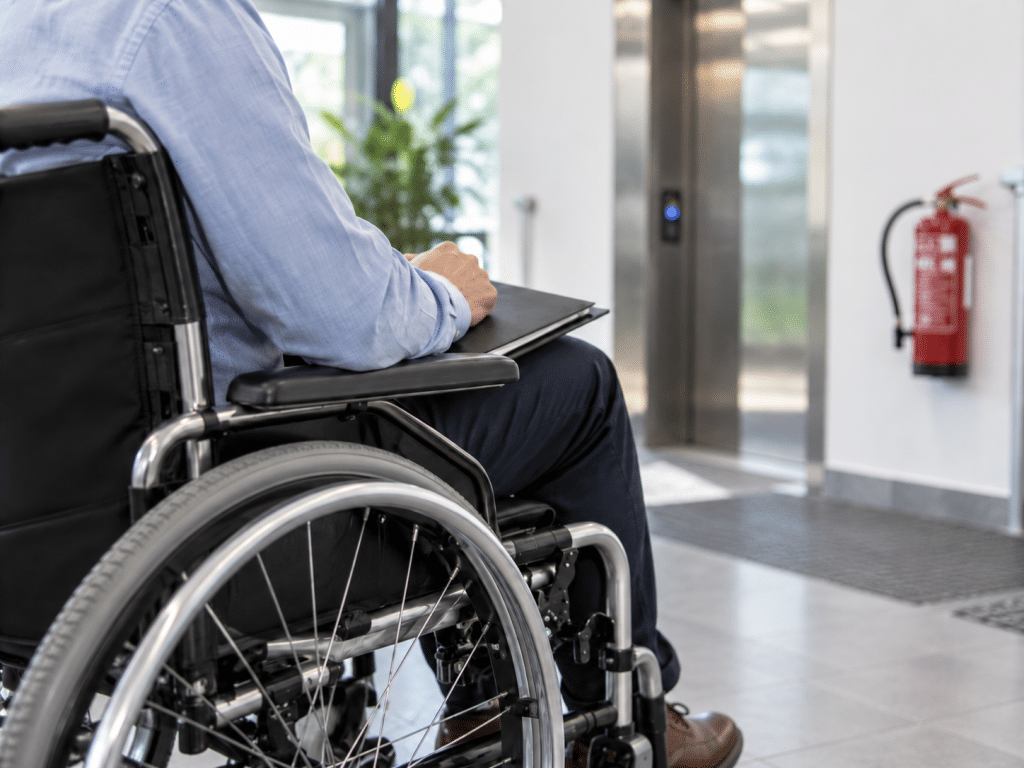
In the event of a fire, getting everyone out of the building quickly and safely is the top priority. But what happens if someone on site has mobility issues, hearing or vision impairments, or another condition that makes standard evacuation procedures unworkable? That’s where Personal Emergency Evacuation Plans, or PEEPs, come in. These are legally important […]
15
Jul
Jul
It’s a common misconception: once your fire alarm system, extinguishers or emergency lighting are installed and signed off, you’re fully protected for years to come. But fire safety is not a “fit and forget” task. Buildings evolve, sometimes gradually, sometimes overnight. Offices get rearranged, staff numbers increase, storage piles up in new areas, and tenancies […]
09
Jul
Jul
Fire compartmentation is one of the most effective ways to limit the spread of fire and smoke in a building. It’s a cornerstone of passive fire protection, designed to give occupants time to escape and emergency services time to respond. But it’s also vulnerable, especially when those working on your property don’t realise it’s there, […]

04
Jul
Jul
In many buildings, the shrill tone of a traditional fire alarm sounder is enough to prompt swift evacuation. But in certain settings, that noise alone might cause confusion, delay, or even panic. This is where Voice Alarm (VA) systems come in. Instead of just a siren, these systems broadcast clear, pre-recorded or live voice messages […]

03
Jul
Jul
When it comes to fire safety in dwellings, it’s not just alarms and extinguishers that matter. One often-overlooked feature, especially in older properties and loft conversions, is the fire escape window. Also known as egress windows, these are crucial for allowing occupants a safe alternative route out of a room when the main exit is […]