


As the clock ticks down to midnight, millions of people across the UK are making resolutions for the year ahead. Whether it’s eating better, exercising more, or finally fixing that dripping tap, New Year’s is the perfect time to commit to small changes that make a big difference. But here’s one resolution you might not […]
Tag Archives: Fire Safety
04
Dec
Dec
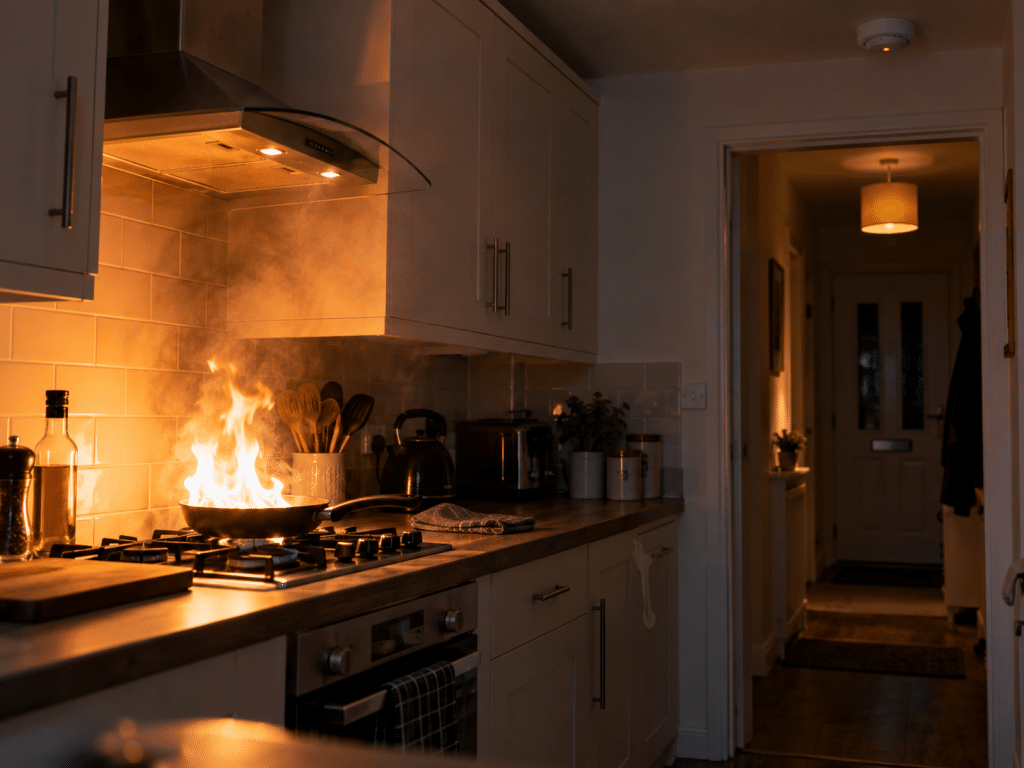
House fires remain one of the most preventable yet devastating risks facing households in the UK. Each year, lives are lost, families displaced, and properties are destroyed; not due to freak accidents, but mostly because of common, everyday fire hazards. Thanks to detailed reporting from the Home Office and Fire & Rescue Services across England, […]

28
Nov
Nov
Fire safety compliance isn’t static. A building that was once compliant under UK fire safety law can become non-compliant overnight, not because anything went wrong, but because something changed. That “something” is often what’s referred to as a material change. But what does that actually mean in practice? And when do building alterations, refurbishments, or […]
10
Aug
Aug
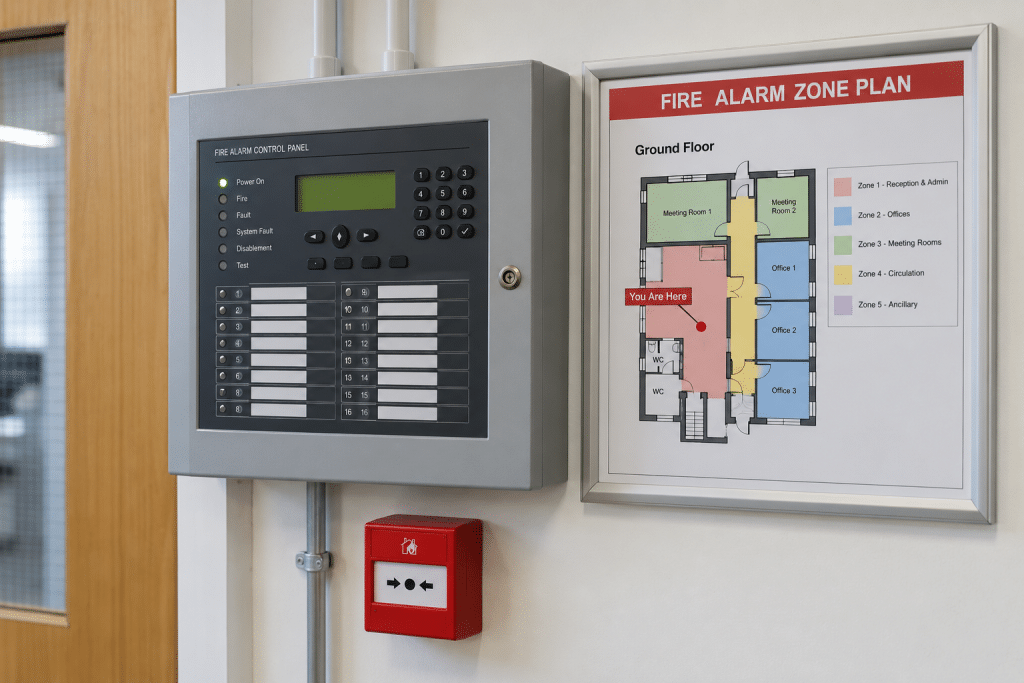
When a fire alarm is triggered, seconds matter. Firefighters and building occupants need to know exactly where the alarm has been activated and which area may be affected. That’s where a fire alarm zone plan comes in, a simple but critical tool that supports fast, effective emergency response. Yet in far too many UK buildings, […]

07
Aug
Aug
In many buildings across the UK, people assume that internal walls, especially stud partitions, automatically offer some degree of fire resistance. But in reality, this is a dangerous assumption. Not all walls are designed to resist fire, and unless they’ve been constructed and tested to a recognised standard, they may fail quickly during a blaze. […]

04
Jul
Jul
In many buildings, the shrill tone of a traditional fire alarm sounder is enough to prompt swift evacuation. But in certain settings, that noise alone might cause confusion, delay, or even panic. This is where Voice Alarm (VA) systems come in. Instead of just a siren, these systems broadcast clear, pre-recorded or live voice messages […]
02
Jul
Jul
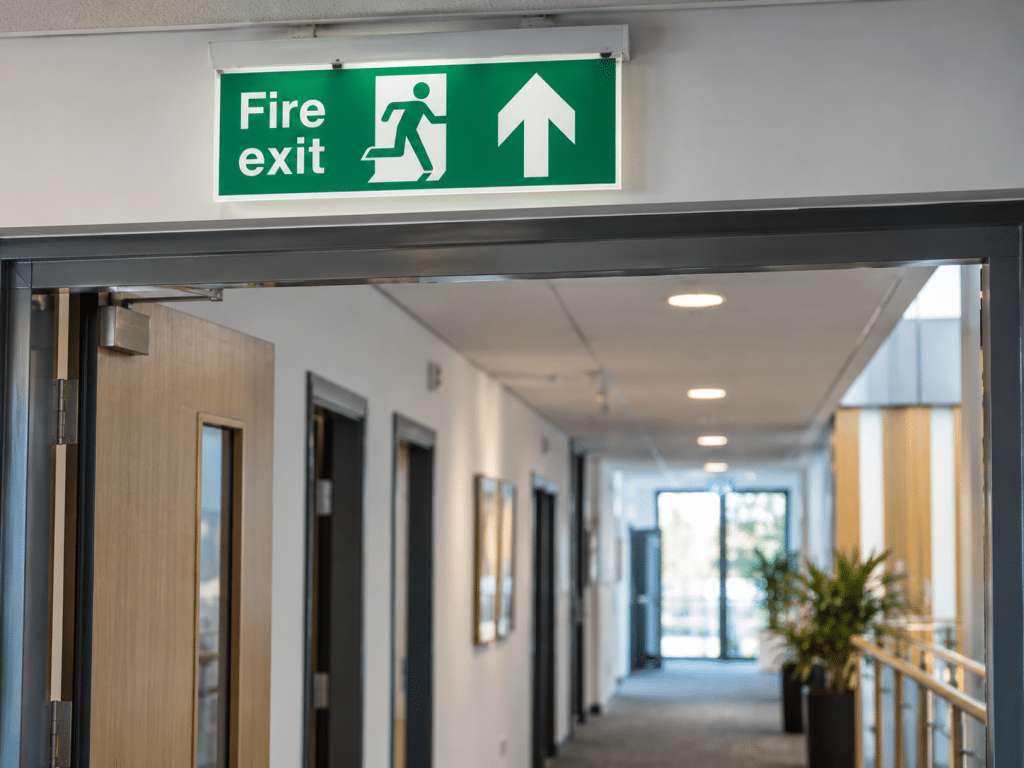
In the world of passive fire protection, terms like “fire stopping” and “fire barriers” are often used interchangeably. But they refer to distinct systems, each with a specific role in a building’s fire strategy. Understanding the difference is essential for anyone responsible for fire safety in commercial, residential, or mixed-use buildings. If you’re a landlord, […]
26
Jun
Jun
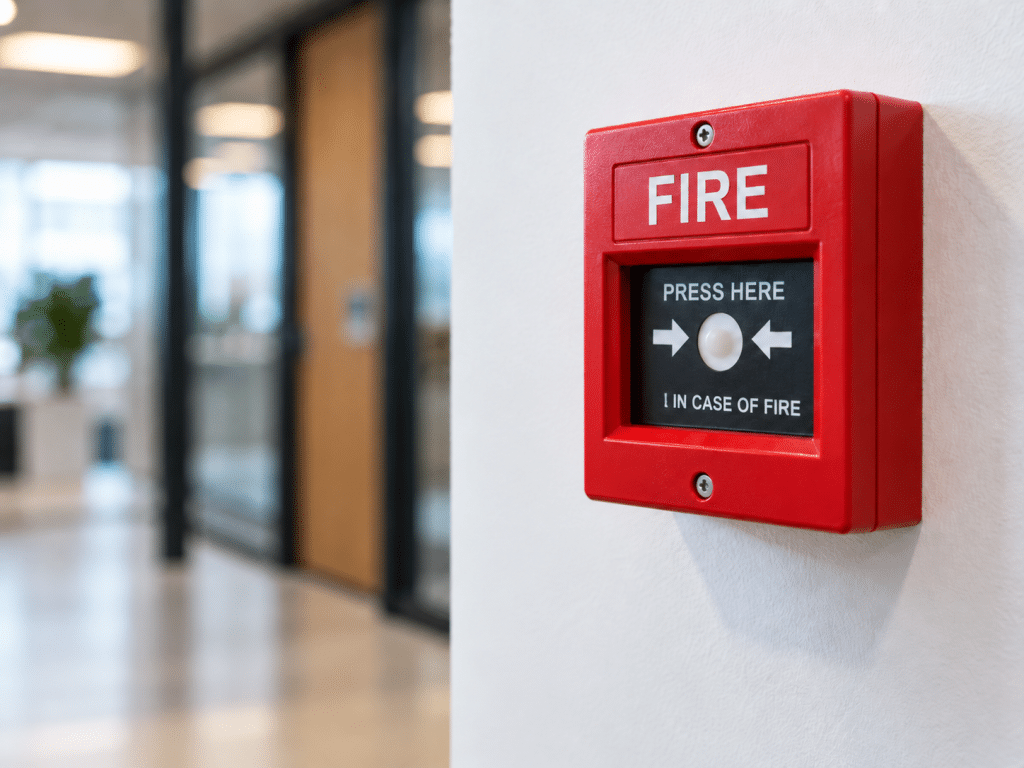
When it comes to fire protection, your alarm system is one of the most critical lines of defence. Choosing between a wireless and hardwired fire alarm system can have big implications for cost, reliability, ease of installation, and long-term maintenance. So how do you know which one is right for your property? In this guide, […]
19
Jun
Jun
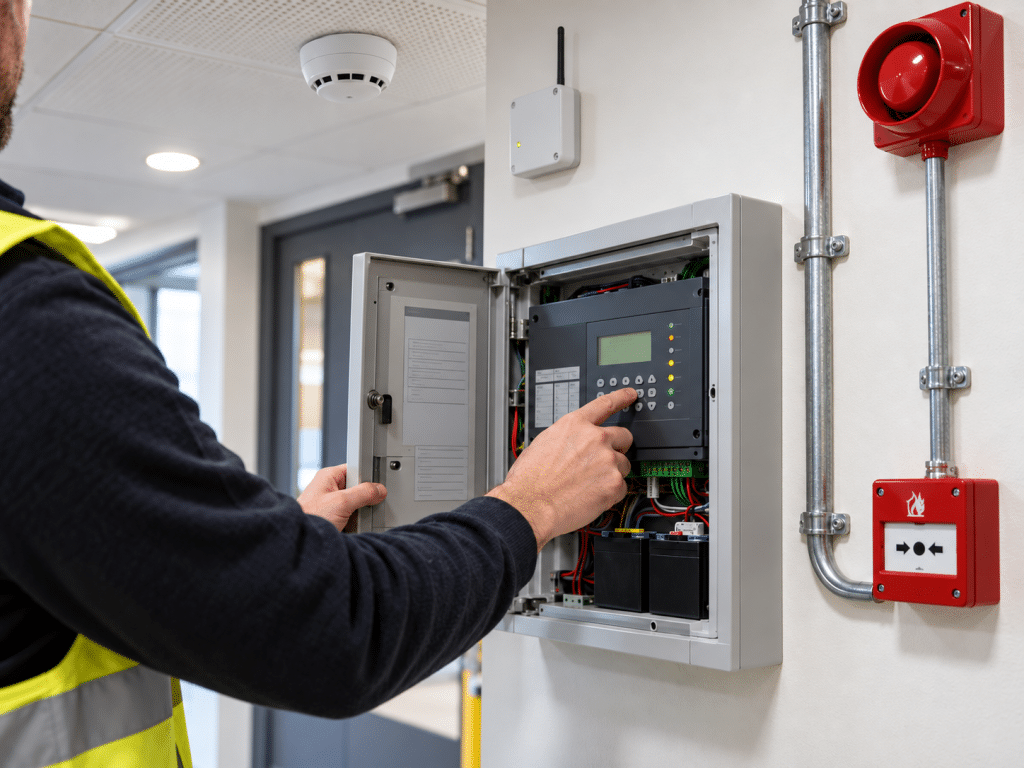
Fire alarms can develop faults over time, from battery degradation to dust buildup or wiring issues. Without regular checks, a fault might go unnoticed until it’s too late. That’s why UK fire safety regulations, including the Regulatory Reform (Fire Safety) Order 2005, require that fire alarm systems be inspected and tested at least every six […]
13
Jun
Jun
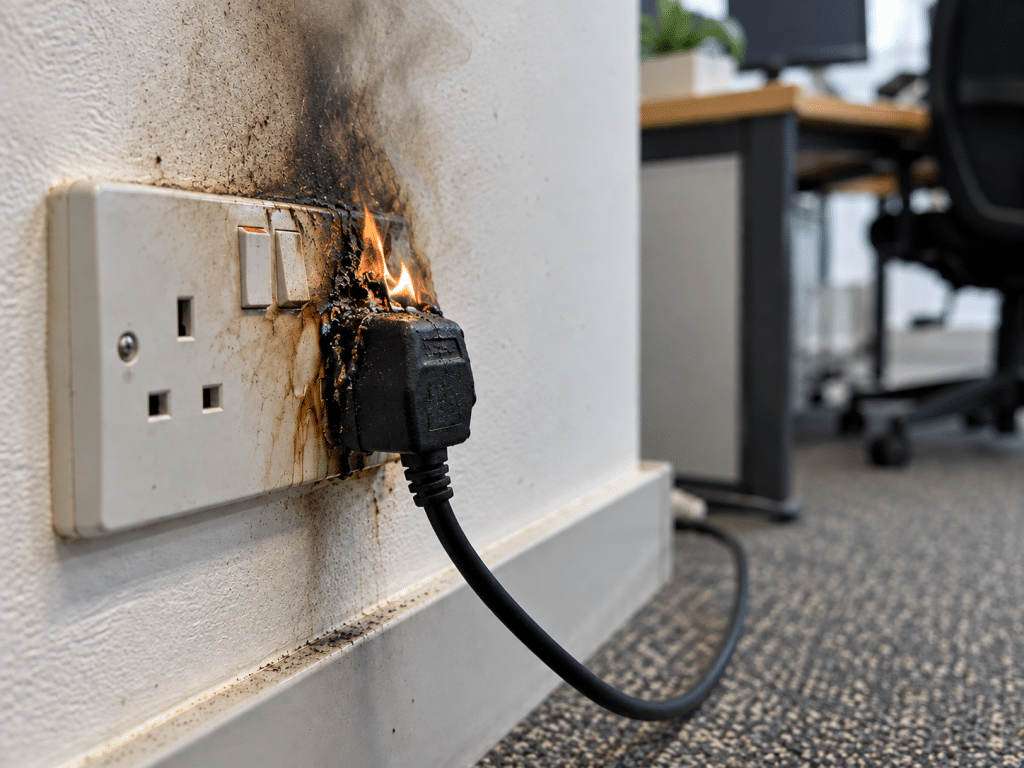
When we think about fire safety, we often picture smoke alarms, fire extinguishers, and fire exit plans. But one of the most common causes of workplace and domestic fires in the UK is often overlooked: faulty electrical appliances. That’s where PAT testing (Portable Appliance Testing) plays a vital role. It’s a simple, proactive way to […]