

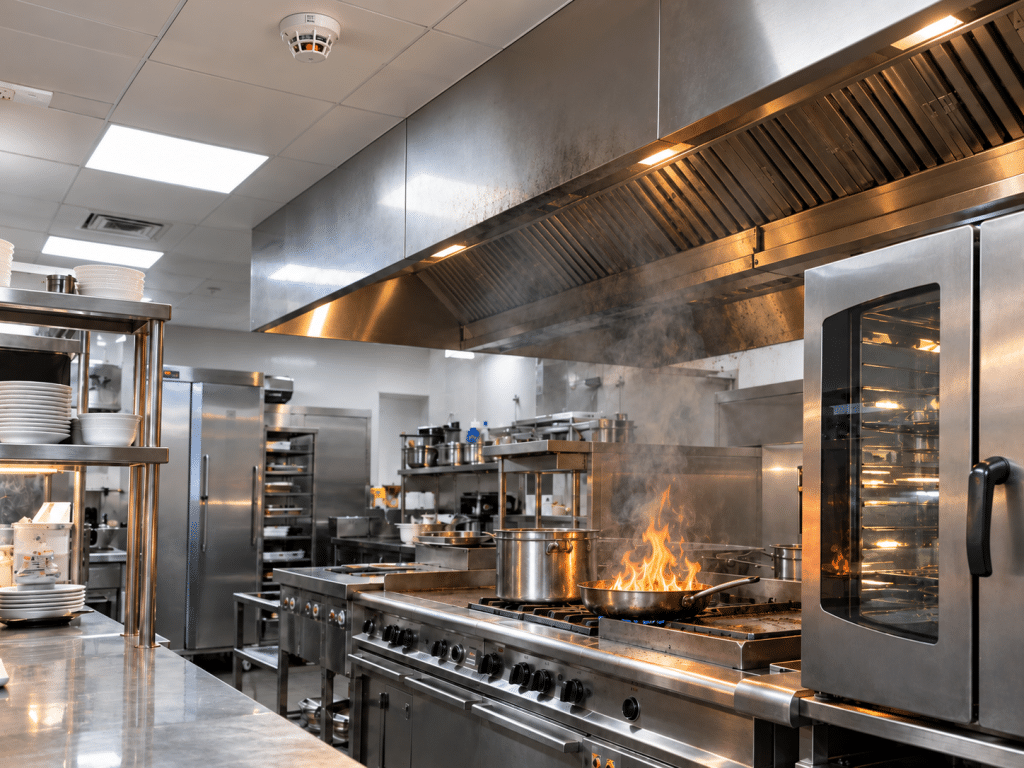
Not all fire detection environments are created equal. While standard smoke detectors work well in offices, schools, and domestic settings, high heat environments, such as commercial kitchens, manufacturing areas, boiler rooms, and workshops, present unique challenges. In these settings, choosing the wrong detector or system setup can lead to frequent false alarms, delayed detection, or […]
Tag Archives: Fire Safety
15
May
May
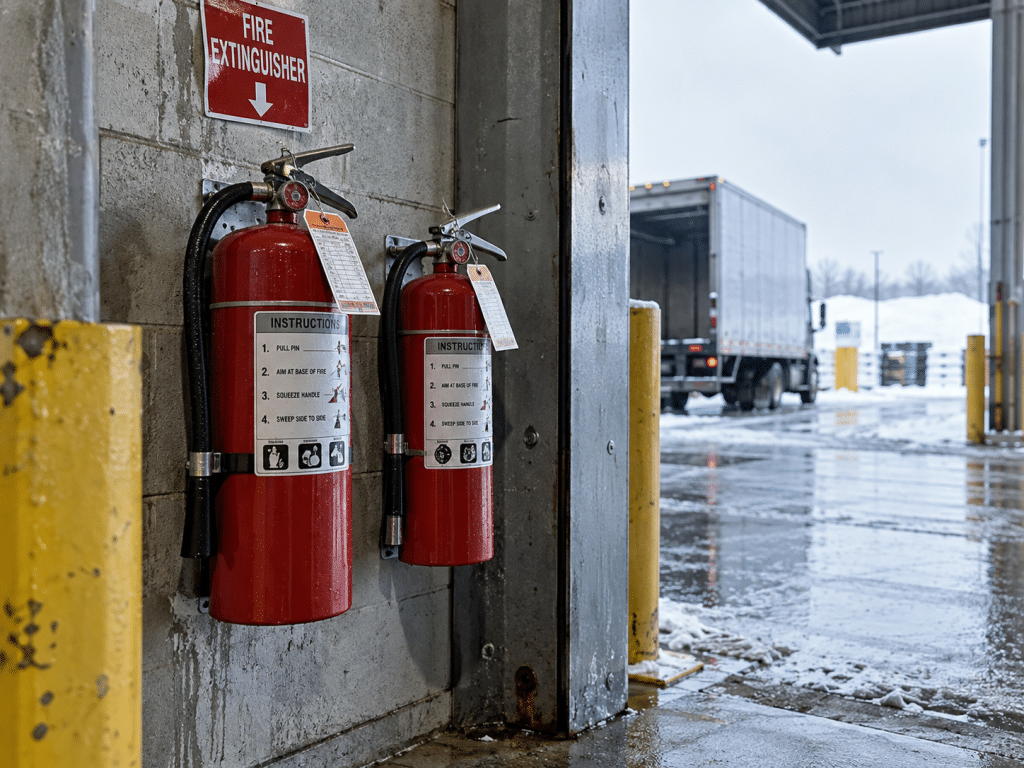
Fire extinguishers are a vital part of your fire safety strategy, but if they’re stored in cold, damp, or exposed environments, their reliability can suffer. From construction sites and barns to unheated warehouses and historic properties, many UK premises face seasonal and environmental challenges that standard fire extinguisher guidance doesn’t always address. In this blog, […]

14
May
May
Modern construction is evolving at speed. From modular buildings to timber-framed homes and composite panels, the drive for quicker builds, sustainability, and energy efficiency is changing not just how we build, but how we manage fire safety. While many of these materials offer clear advantages, they also introduce new fire risks that must be carefully […]

06
Apr
Apr
Understanding Responsibilities and Reducing Risk in Combined Residential and Commercial Properties Mixed-use buildings—such as high street shops with flats above—are a common feature across the UK. While convenient and space-efficient, these buildings can pose significant fire safety challenges due to the combination of commercial and residential activities under one roof. If you own, manage or […]

05
Apr
Apr
What You Need to Know as a Holiday Rental Host in the UK Whether you rent out a spare room or manage several short-term holiday properties, as an Airbnb or short-let host in the UK, you’re legally responsible for the safety of your guests—including when it comes to fire protection. Fire safety laws apply even […]
04
Apr
Apr
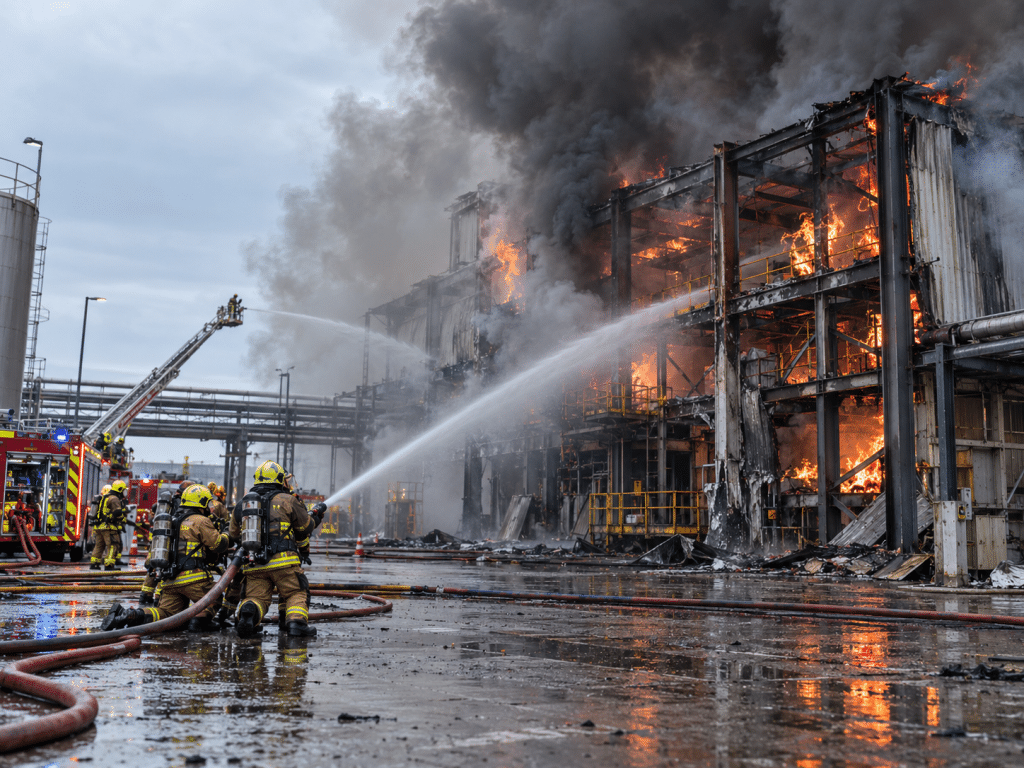
Understanding Dry Film Thickness (DFT) in Passive Fire Protection When applied correctly, intumescent coatings provide vital protection to structural steel and other materials during a fire. These coatings expand when exposed to high heat, forming a char that insulates the substrate and helps delay collapse. However, the effectiveness of an intumescent coating depends heavily on […]
03
Apr
Apr
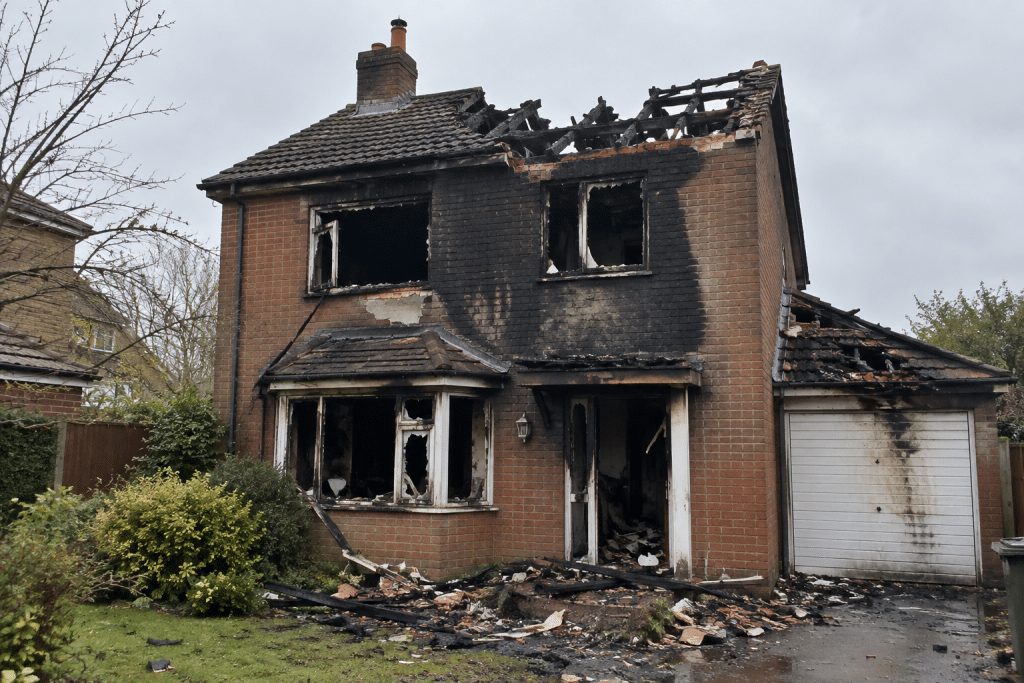
Your Responsibilities Under the Fire Safety (England) Regulations 2022 If you’re a landlord or managing agent of a residential building in England, you have a legal duty to ensure your tenants are aware of fire safety arrangements in their building. The Fire Safety (England) Regulations 2022, which came into effect on 23 January 2023, introduced […]
02
Apr
Apr
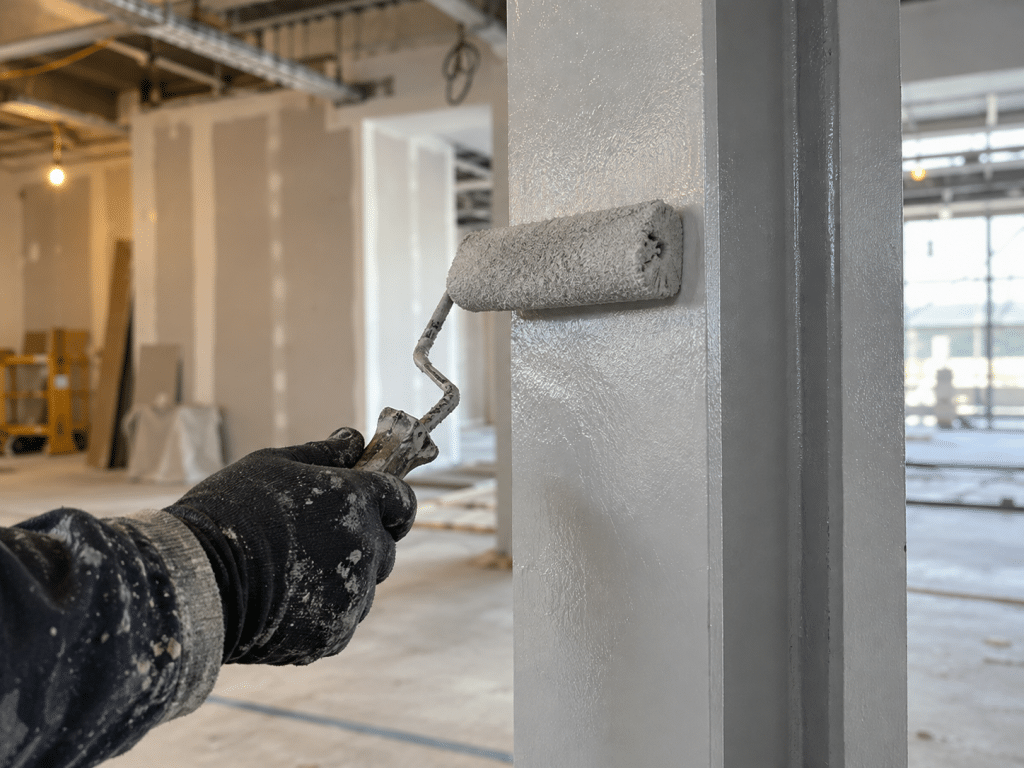
Do’s and Don’ts for Maintaining Fire Protection and Compliance Intumescent coatings play a critical role in passive fire protection—particularly in buildings where structural steel or timber elements are exposed. These coatings are designed to expand when exposed to high temperatures, forming an insulating char that helps delay structural failure during a fire. But what happens […]
18
Mar
Mar
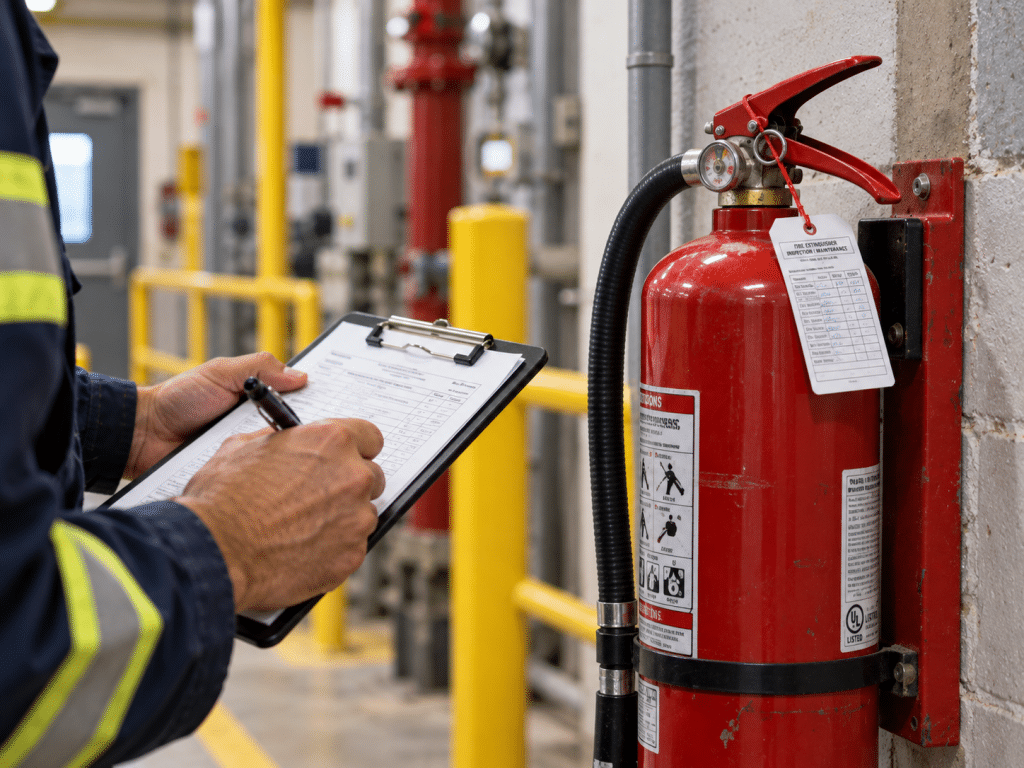
If you run a business or manage property in the UK, you’ll already know that fire safety is a legal responsibility. Central to this responsibility is the requirement to carry out a fire risk assessment. But do you need to hire a professional to conduct one, or can you do it yourself? The short answer […]
18
Mar
Mar
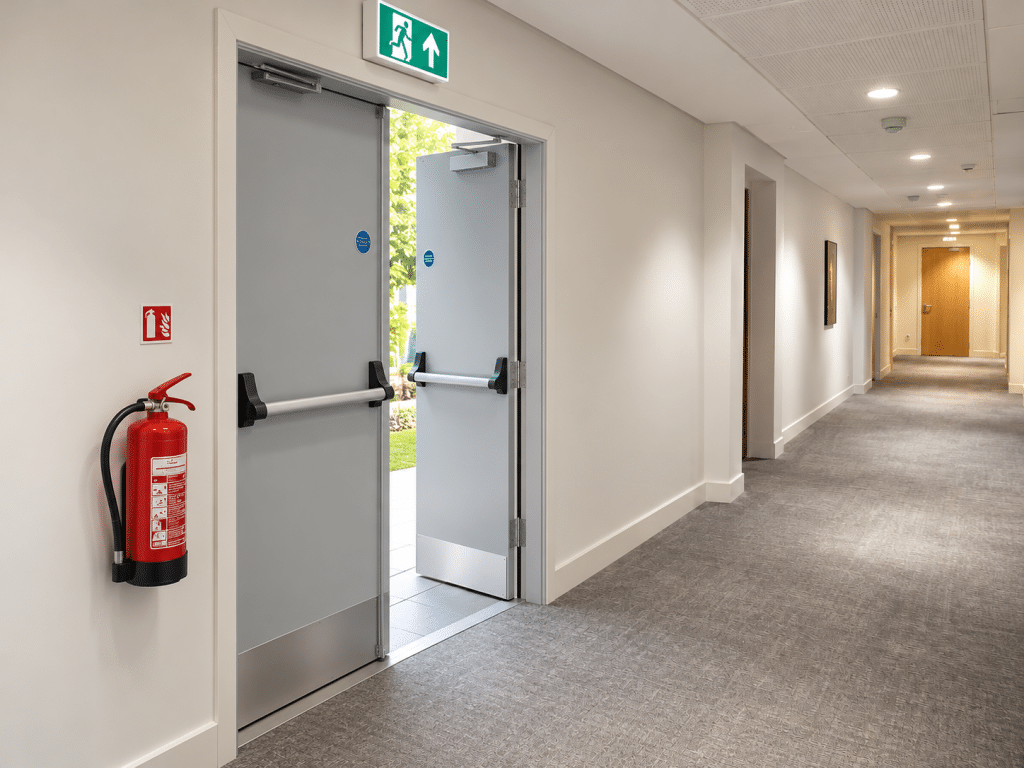
Intumescent seals are a vital component of a building’s passive fire protection strategy, playing a key role in compartmentation and helping to prevent the spread of fire and smoke. Found around fire doors and sometimes windows, these seals expand when exposed to high temperatures, filling gaps and maintaining the fire-resistant barrier of walls, floors, and […]