

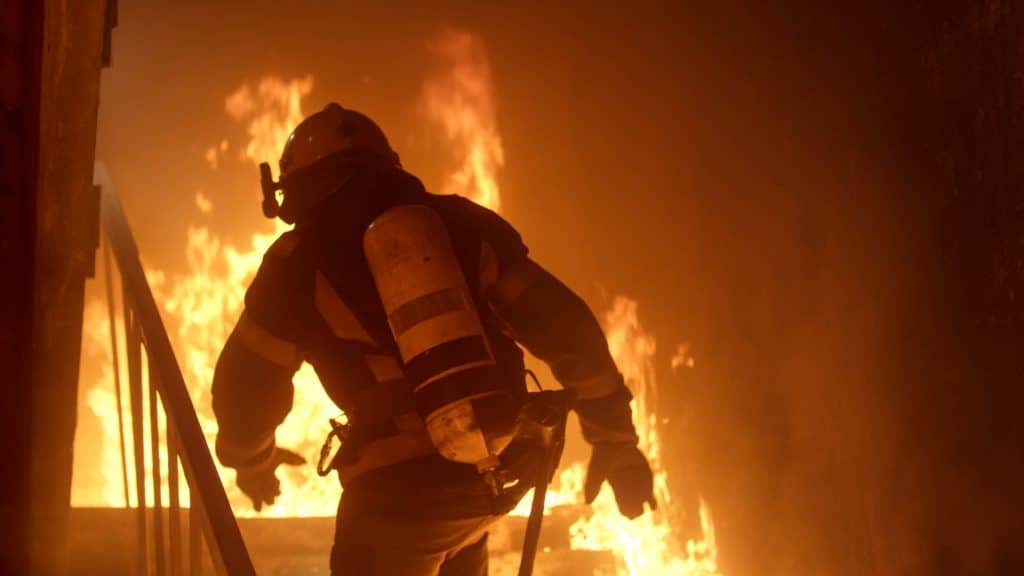
Fire safety has improved significantly over the years, but fires remain a real and ongoing risk across the UK. By looking at the latest fire statistics, we can better understand where fires start, why they happen, and what can be done to prevent them.
Statistics don’t just show numbers; they highlight patterns, behaviours, and risks that affect homes, businesses, and public buildings every day. Understanding these trends can help individuals and organisations take smarter, more effective steps to improve fire safety.
In this article, we’ll explore what UK fire statistics reveal about fire safety today, and what lessons we can take from them.
Fire Incidents Are Declining, But Still Common
Over the past decade, the UK has seen a gradual decline in fire incidents, thanks to improved regulations, better building design, and increased awareness.
However, fires still occur thousands of times each year, particularly in residential properties. Even with improvements, the risk has not disappeared; it has simply become more manageable.
This highlights the importance of maintaining fire safety standards rather than becoming complacent.
Most Fire Deaths Still Occur in Homes
One of the most important findings from UK fire data is that the majority of fire-related fatalities occur in domestic settings.
This is often because people feel safest at home and may be less cautious. Fires frequently occur at night, when occupants are asleep and less likely to react quickly. In some cases, escape routes may not be clearly planned, and detection systems may be missing or not functioning properly.
This reinforces the importance of treating fire safety at home with the same seriousness as in workplaces or public buildings.
Cooking Remains the Leading Cause of Fires
Cooking-related incidents continue to be the most common cause of house fires in the UK.
Typical causes include leaving cooking unattended, overheating oil or grease, and distractions while preparing food. Flammable items placed too close to the hob can also ignite easily.
These fires often start small but can escalate quickly if not detected and controlled early.
Electrical Faults Are a Major Contributor
Electrical fires are another leading cause of incidents, often linked to faulty appliances, damaged wiring, overloaded sockets, or low-quality chargers and cables.
With the increasing number of electrical devices in modern homes, the risk associated with electrics has grown. Many households rely heavily on extension leads and multiple devices, which can place strain on electrical systems if not managed correctly.
Regular inspection and responsible use of electrical equipment are essential to reducing this risk.
Smoke Is the Biggest Threat to Life
Fire statistics consistently show that smoke inhalation is the leading cause of death in fires, rather than burns.
Smoke spreads quickly through buildings and can make escape routes unsafe within minutes. It also contains toxic gases that can incapacitate occupants before they are even aware of the danger.
This is particularly dangerous at night, when people are asleep and may not notice the early signs of a fire.
Smoke Alarms Save Lives, But Only If They Work
Working smoke alarms are one of the most effective ways to reduce the risk of death in a fire. However, incidents still occur in properties where alarms are missing, not properly maintained, or have no working batteries.
A smoke alarm can provide the early warning needed to escape safely, but only if it is installed correctly and tested regularly.
Fires Develop Faster Than Many People Expect
Modern fires can develop far more quickly than many people realise.
The use of synthetic materials in furniture, combined with open-plan layouts and increased electrical usage, means that fires can grow rapidly and reach dangerous conditions in a matter of minutes.
This leaves very little time to react, making early detection and quick evacuation essential.
Fire Compartmentation Plays a Key Role
Fire investigations consistently show that buildings with effective fire compartmentation tend to suffer less damage and allow safer evacuation.
Fire-resistant walls, floors, and doors are designed to contain fire within a specific area. When these barriers are properly maintained, and gaps around pipes and cables are correctly sealed, they help slow the spread of fire and smoke.
This allows occupants more time to escape and reduces the overall impact of the fire on the building.
What These Statistics Mean for You
Whether you are a homeowner, landlord, or business owner, these insights highlight the importance of maintaining strong fire safety practices.
Installing and maintaining smoke alarms, being cautious when cooking, managing electrical risks, and ensuring fire protection measures are in place all contribute to reducing fire risk.
Fire safety is not just about meeting regulations; it is about protecting lives and property.
Final Thoughts
UK fire statistics show that while progress has been made, many fires are still caused by everyday activities and preventable risks.
At the same time, the data clearly demonstrates that fire safety measures work. Early detection, responsible behaviour, and properly installed fire protection systems all play a major role in reducing the impact of fires.
By understanding these trends and applying the lessons they offer, we can continue to improve fire safety in homes and buildings across the UK.
Fire safety is not just about reacting to emergencies; it’s about taking the right steps to prevent them from happening in the first place.
For expert advice on fire protection and prevention measures, contact Martyn Young Fireproofing Consultancy on 07585 896648