

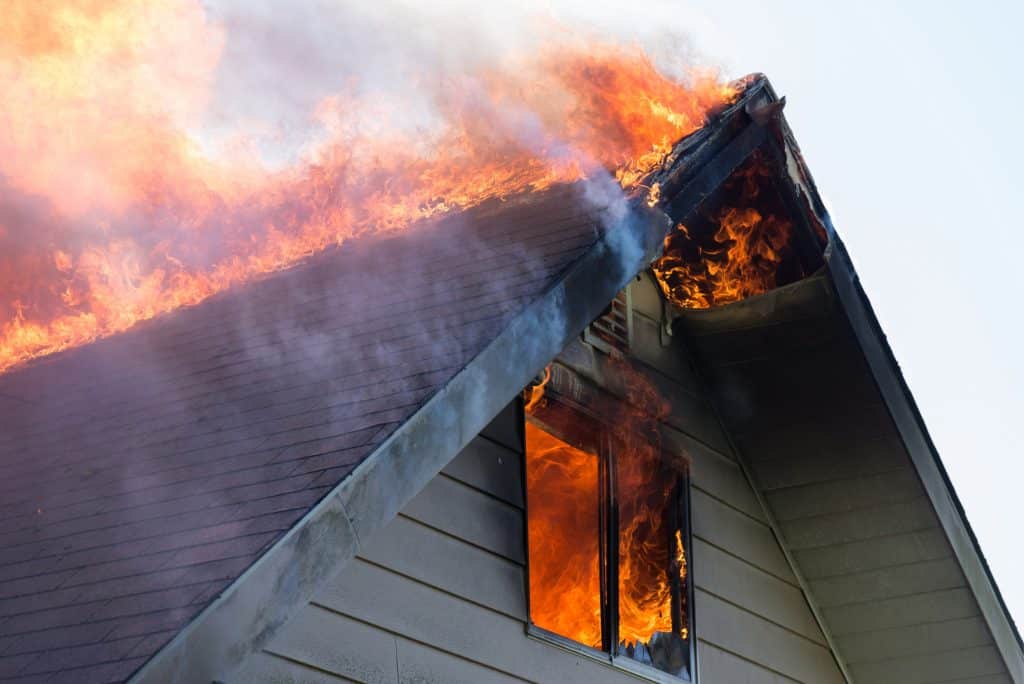
When people think about fire safety in buildings, they often focus on alarms, extinguishers, or fire doors. However, one of the most important factors in how a fire behaves is the materials used to build the structure itself.
Some materials burn easily and can fuel a fire, while others resist heat and flames much more effectively. These materials are often described as naturally fire-resistant.
But what makes certain materials better at resisting fire than others? And why are these materials commonly used in construction and fire protection systems?
In this article, we’ll explore why some materials are naturally fire-resistant and how they help improve building safety.
What Does Fire Resistant Mean?
A fire-resistant material is one that can withstand exposure to heat and flames without igniting quickly or losing its structural integrity.
This does not necessarily mean the material is completely fireproof. Instead, it means the material can slow down the spread of fire, maintain strength for longer, and reduce the amount of fuel available to the fire.
In construction, fire resistance is often measured by how long a material or structure can withstand fire exposure; commonly 30, 60, 90, or 120 minutes.
Why Some Materials Resist Fire Naturally
Certain materials resist fire because of their chemical composition, density, and thermal properties. These characteristics determine how a material reacts when exposed to high temperatures.
Several key factors influence fire resistance:
Low Combustibility
Some materials simply do not burn easily. Materials like stone, brick, and concrete are composed of minerals that do not ignite under normal fire conditions. Because they do not contribute fuel to a fire, they help slow its spread.
High Density
Dense materials often take longer to heat up and are less likely to ignite. Their mass allows them to absorb and dissipate heat more effectively.
For example, concrete and masonry walls can withstand fire for long periods because their density slows the transfer of heat.
Thermal Stability
Some materials maintain their structure even at very high temperatures. This stability helps prevent structural collapse during a fire.
Materials such as steel, concrete, and certain fire-rated boards can remain structurally sound for a period of time when properly protected.
Low Thermal Conductivity
Materials that conduct heat slowly can help prevent fire from spreading quickly to other parts of a building.
Fire-resistant insulation and certain mineral-based materials act as barriers that slow the movement of heat.
Examples of Naturally Fire-Resistant Materials
Many commonly used building materials provide natural resistance to fire.
Concrete
Concrete is widely used in construction because of its excellent fire performance. It is non-combustible and can withstand extremely high temperatures without igniting.
Concrete structures often provide long fire resistance ratings, making them suitable for fire walls, floors, and structural elements.
Brick and Masonry
Brick and stone are also highly fire resistant. Like concrete, they are made from non-combustible materials and can tolerate high heat without burning.
Brick walls have historically been used in buildings to help contain fires and prevent them from spreading between properties.
Gypsum Board
Gypsum board, commonly used in drywall, contains chemically bound water. When exposed to heat, this water is released as steam, helping to slow the temperature rise and delay fire spread.
This property makes gypsum an important component of many fire-rated wall and ceiling systems.
Mineral Wool
Mineral wool insulation is made from natural stone or slag fibres. It is non-combustible and resistant to very high temperatures, making it a popular choice for fire protection in walls, ceilings, and service penetrations.
Glass and Ceramic Materials
Glass and ceramic-based materials can tolerate extremely high temperatures and are often used in specialised fire-resistant glazing and insulation systems.
Materials That Require Fire Protection
While some materials naturally resist fire, others require additional protection.
For example:
-
Timber can ignite easily without fire-retardant treatments or coatings
-
Structural steel loses strength rapidly at high temperatures
-
Plastic materials may melt or release toxic smoke when exposed to fire
These materials are often protected using passive fire protection systems such as intumescent coatings, fire-resistant boards, or fire-stopping products.
How Fire-Resistant Materials Improve Building Safety
Using fire-resistant materials in construction can significantly improve a building’s ability to withstand a fire.
These materials help to:
-
Slow down the spread of flames
-
Reduce the amount of combustible material in the building
-
Maintain structural stability for longer periods
-
Protect escape routes and allow occupants time to evacuate
When combined with other fire protection systems such as fire doors, alarms, and fire stopping, fire-resistant materials form a crucial part of a building’s overall fire safety strategy.
The Role of Building Regulations
Modern building regulations often require certain materials or assemblies to achieve specific fire resistance ratings.
These standards ensure that buildings can maintain their integrity during a fire long enough for people to escape and for emergency services to respond.
Architects and engineers carefully select materials that meet these requirements while still meeting structural, aesthetic, and environmental goals.
Final Thoughts
Not all materials behave the same way in a fire. Some ignite quickly and contribute to fire growth, while others naturally resist heat and flames.
Materials such as concrete, brick, gypsum, and mineral wool offer inherent fire resistance due to their composition and thermal properties. These materials help slow the spread of fire and maintain the stability of buildings during emergencies.
Understanding how materials respond to fire is an essential part of designing safer buildings. By choosing the right materials and combining them with effective fire protection systems, we can greatly reduce the risks associated with fire and improve the safety of occupants.
In fire safety, the materials we build with matter just as much as the systems we install.
For expert advice on fire protection and prevention measures, contact Martyn Young Fireproofing Consultancy on 07585 896648