

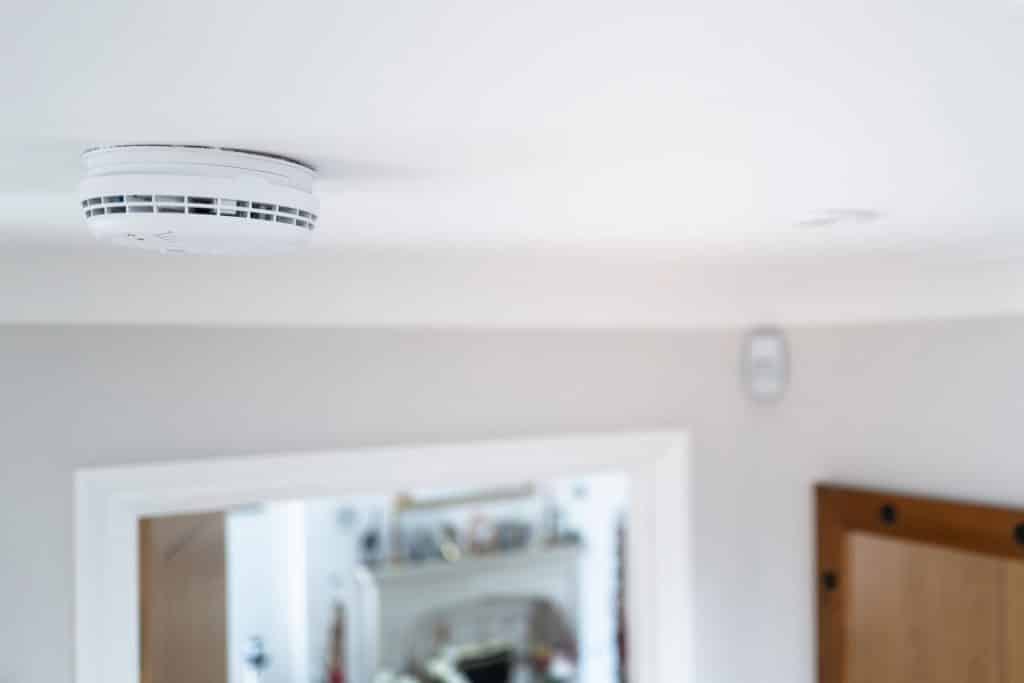
Smoke alarms are one of the most important pieces of fire safety equipment in any home or building. They provide early warning of a fire, giving people precious time to escape before smoke and flames spread.
However, simply having smoke alarms isn’t enough. Where they are installed is just as important as having them in the first place. Poor placement can delay detection or lead to frequent false alarms, both of which reduce their effectiveness.
In this guide, we’ll explain where smoke alarms should be installed, where they should not be placed, and how to ensure your property is properly protected.
Why Smoke Alarm Placement Matters
A fire can spread rapidly, and smoke often fills a room long before flames become visible. Smoke alarms are designed to detect these early signs of fire and alert occupants immediately.
Correct placement ensures that:
-
Smoke is detected as early as possible
-
Alarm signals can be heard throughout the building
-
Escape routes remain safe and accessible
-
Occupants have enough time to evacuate
Incorrect placement, on the other hand, may delay detection or cause nuisance alarms that people may eventually ignore.
Install Smoke Alarms on Every Floor
The first rule of smoke alarm placement is simple: every level of a property should have at least one smoke alarm installed.
This includes:
-
Ground floors
-
Upper floors
-
Basements or cellars (if present)
-
Loft conversions used as living space
Having alarms on every level ensures that smoke will be detected even if a fire starts far from bedrooms or main living areas.
Install Alarms in Hallways and Escape Routes
Hallways and landings are the primary escape routes in most buildings, which makes them critical locations for smoke alarms.
Smoke alarms should be installed:
-
In hallways leading to bedrooms
-
On landings at the top of staircases
-
Along main escape routes
If a fire starts elsewhere in the building, smoke will usually travel through these areas first. An alarm in the hallway ensures occupants are alerted before escape routes become unsafe.
Place Smoke Alarms Near Bedrooms
Because many house fires occur at night, it’s important to install smoke alarms close to sleeping areas.
Ideally, alarms should be placed:
-
In hallways outside bedrooms
-
In large homes, inside bedrooms as well
-
On the ceiling near sleeping areas
If the alarm sounds during the night, it must be loud enough to wake anyone sleeping.
For larger properties, interlinked smoke alarms are recommended so that when one alarm activates, all alarms sound simultaneously.
Install Smoke Alarms in Living Rooms
Living rooms and family areas often contain electrical equipment, heaters, and soft furnishings, all of which can pose fire risks.
Installing a smoke alarm in these rooms helps detect fires early, particularly those caused by:
-
Electrical faults
-
Overheating appliances
-
Candles or open flames
-
Upholstered furniture ignition
However, avoid placing alarms too close to fireplaces or stoves where smoke may cause unnecessary activation.
Where Smoke Alarms Should NOT Be Installed
Although smoke alarms are essential, certain locations are not suitable because they can trigger frequent false alarms.
Avoid installing smoke alarms:
In Kitchens
Cooking fumes can easily set off smoke alarms. Instead, heat alarms are recommended for kitchens because they react to temperature increases rather than smoke.
In Bathrooms
Steam from showers and baths can cause nuisance alarms.
Near Windows or Air Vents
Strong airflow may prevent smoke from reaching the alarm sensor.
Near Ceiling Fans
Air movement can push smoke away from the detector.
Too Close to Cooking Appliances
Smoke from normal cooking activities can trigger alarms unnecessarily.
Ceiling vs Wall Installation
Smoke alarms are usually installed on ceilings because smoke rises and accumulates at the highest point in a room.
When installing on ceilings:
-
Place the alarm at least 30 cm away from walls or light fittings
-
Install it near the centre of the ceiling where possible
If ceiling installation isn’t possible, wall-mounted alarms should be placed:
-
About 15–30 cm below the ceiling
This ensures the alarm remains within the path of rising smoke.
The Importance of Interlinked Smoke Alarms
Modern fire safety guidance often recommends interlinked smoke alarms, especially in larger homes.
With interlinked systems:
-
If one alarm detects smoke, all alarms in the property sound
-
Occupants are alerted even if they are far from the fire
-
Escape time is increased significantly
These systems can be hardwired or wireless, depending on the property.
Maintenance and Testing
Proper placement is only part of the equation. Smoke alarms must also be maintained and tested regularly to ensure they function correctly.
You should:
-
Test alarms once a week using the test button
-
Replace batteries when required
-
Clean alarms occasionally to remove dust
-
Replace the entire alarm unit every 10 years
Regular checks help ensure the alarm will work when it matters most.
Final Thoughts
Smoke alarms save lives by providing early warning of fire, but their effectiveness depends heavily on where they are installed. By placing alarms on every floor, along escape routes, and near sleeping areas, you can significantly improve the safety of your home or building.
Avoid installing alarms in areas prone to steam or cooking fumes, and consider interlinked systems for maximum protection.
Taking the time to install smoke alarms correctly is one of the simplest and most effective ways to protect people and property from the devastating effects of fire.
For expert advice on fire protection and prevention measures, contact Martyn Young Fireproofing Consultancy on 07585 896648