

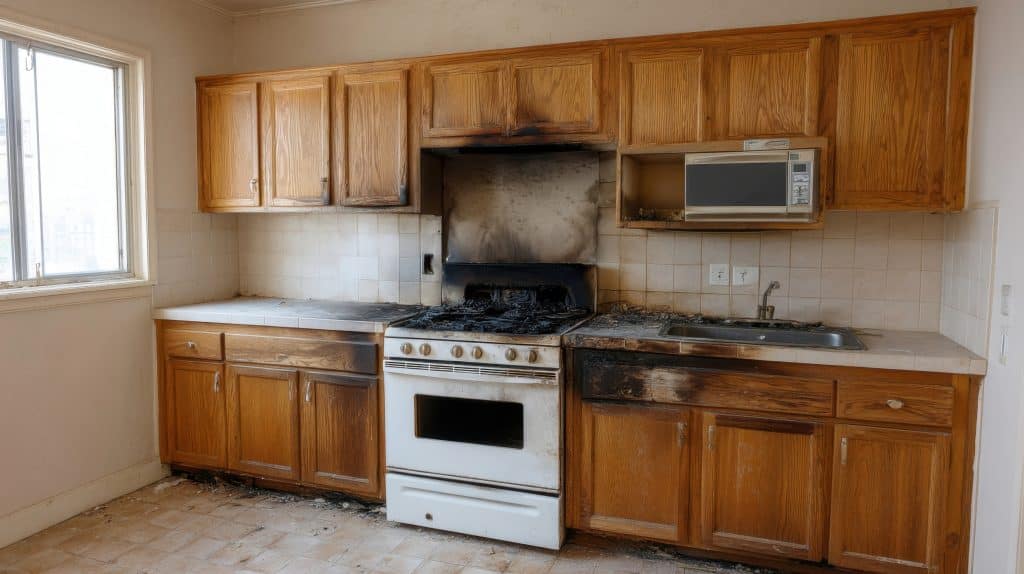
In the moment of an emergency, using a fire extinguisher is often your first line of defence. But once the flames are out (or the extinguisher is empty), what should you do next?
Knowing what to do immediately after using a fire extinguisher is just as important as knowing how to use one. Whether you’ve tackled a fire at home, in a rental property, or at work, your next steps are crucial for safety, legal compliance, and recovery.
Here’s what to do, step by step.
1. Make Sure the Fire Is Fully Out
Even if the flames are no longer visible, a fire can reignite if there’s still heat, fuel, or hidden embers.
-
Carefully inspect the area from a safe distance
-
If it’s safe, check for hot surfaces, glowing embers, or smoke
-
Use a torch (not a lighter or match) to look into corners or inside bins
-
Do not touch any electrical appliances until they’ve cooled and been checked
If you’re unsure whether the fire is fully out, evacuate the area and call 999.
2. Ventilate the Area (If Safe)
Fire extinguishers, especially powder and CO₂ types, can leave behind fumes, dust, or chemicals that reduce air quality and visibility.
Once it’s safe:
-
Open windows and doors to ventilate the space
-
Leave the area if you experience coughing, dizziness, or difficulty breathing
-
Avoid sweeping or disturbing powder until it’s safe to clean properly
Don’t ventilate the area if it could feed oxygen to a fire that isn’t fully out.
3. Report the Incident (If Applicable)
If the fire occurred in a workplace, rented property, or commercial setting, you may have a legal duty to report it.
-
Call the Fire Service if you haven’t already, especially if any damage occurred
-
Notify the responsible person (e.g. building manager, employer, landlord)
-
Log the event in your fire safety records, including the time, location, cause (if known), and extinguisher used
-
Take photos of the damage if needed for insurance or incident reporting
For businesses, all incidents must be reviewed as part of ongoing fire risk assessments.
4. Clean Up Safely
Fire extinguisher residue can be messy and potentially hazardous, depending on the type used.
General clean-up tips:
-
CO₂ extinguishers: Leave no residue but may cause frost damage or cold burns
-
Foam extinguishers: Wipe up foam with absorbent materials; clean with water and mild detergent
-
Dry powder extinguishers: Wear a mask and gloves; avoid sweeping dust into the air; use a HEPA vacuum if available
-
Wet chemical extinguishers: Can leave a yellow soapy residue; clean with care, especially on cooking surfaces
Do not reuse food or cookware that has come into contact with extinguisher chemicals.
If you’re unsure about how to clean up safely, or if the area is extensively damaged, contact a professional fire restoration service.
5. Replace or Recharge the Extinguisher
Once used, even partially, a fire extinguisher must not be reused until it has been professionally recharged or replaced.
-
Check the pressure gauge. If it’s in the red, the extinguisher is no longer safe to use
-
If it’s a disposable unit (common in homes), it should be replaced entirely
-
If it’s a rechargeable unit, arrange for a qualified technician to refill and service it
-
Always update your fire safety inventory and ensure you still have coverage in all key areas
Never leave a used extinguisher in place “just in case”; it may fail the next time it’s needed.
6. Review What Happened
After the incident is under control and everyone is safe, take a moment to review what went well and what didn’t.
-
Were you confident using the extinguisher?
-
Was it easy to access?
-
Was it the right type for the fire?
-
Did anyone hesitate or panic?
This is especially important in workplaces or shared buildings, where you may need to update your fire safety plan, add more equipment, or provide extra training.
7. Restock and Prepare for Next Time
Fighting a fire is stressful, but the most important takeaway is to be ready for the next one. Restocking fire safety equipment ensures your home or workplace stays protected.
You may need to:
-
Replace extinguishers or fire blankets
-
Schedule a new fire extinguisher service
-
Replace smoke or heat alarms if damaged
-
Re-educate others in the household or team on correct use
Final Thoughts
Fire extinguishers are lifesaving tools, but using one is just the beginning. What you do immediately afterwards can have a big impact on safety, recovery, and future readiness.
To recap:
-
Confirm the fire is fully out
-
Ventilate safely
-
Report and log the incident
-
Clean up properly
-
Replace or service the extinguisher
-
Review what happened
-
Restock and prepare for next time
For expert advice on fire protection and prevention measures, contact Martyn Young Fireproofing Consultancy on 07585 896648