

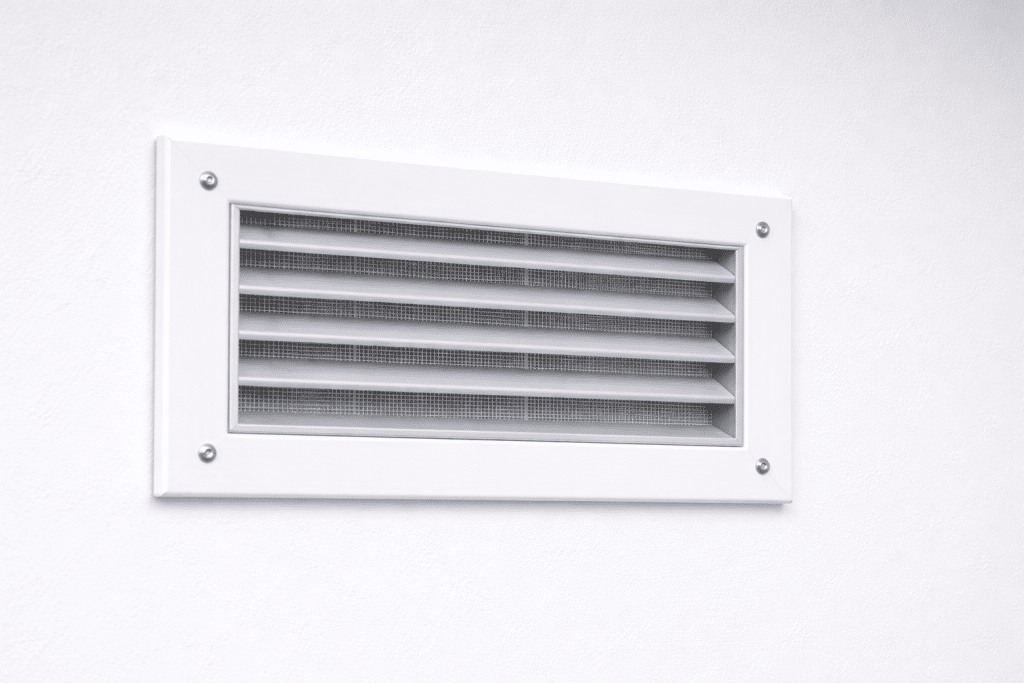
Modern buildings need airflow, but they also need to stop fire and smoke from spreading. This creates a challenge: how do you allow air to move between rooms without compromising fire safety?
That’s where intumescent fire grilles come in.
Often hidden in walls or doors, these devices play a crucial role in passive fire protection, helping buildings meet fire regulations while maintaining ventilation. In this guide, we’ll explain exactly what intumescent fire grilles are, how they work, and why they’re so important.
What Is an Intumescent Fire Grille?
An intumescent fire grille (also known as an air transfer grille) is a fire-rated ventilation component installed in fire-resisting walls, partitions, or doors.
Its purpose is simple but vital:
-
Allow normal airflow during everyday use
-
Seal shut automatically in a fire, preventing flames and smoke from passing through
This ensures that fire compartmentation, the principle of containing fire within a defined area, is not compromised by ventilation openings.
What Does “Intumescent” Mean?
The key to how these grilles work lies in the word intumescent.
Intumescent materials are specially engineered substances that:
-
Remain stable under normal temperatures
-
Expand rapidly when exposed to high heat (typically from around 180–200°C)
-
Expand many times their original size to form a dense, insulating barrier
This expansion happens automatically, with no power, sensors, or human intervention required.
How Do Intumescent Fire Grilles Work?
Here’s what happens step by step:
1. Normal Conditions
-
Air flows freely through the grille
-
Ventilation systems work as intended
-
The intumescent material remains dormant and unobtrusive
2. Fire Breaks Out
-
Heat builds rapidly near the grille
-
Once a critical temperature is reached, the intumescent material activates
3. Expansion and Sealing
-
The intumescent material expands dramatically
-
The grille opening becomes completely sealed
-
Fire, hot gases, and smoke are blocked from spreading
All of this can happen in seconds, helping maintain the integrity of fire-rated compartments.
Where Are Intumescent Fire Grilles Used?
Intumescent fire grilles are commonly installed in:
-
Fire-resisting walls and partitions
-
Fire doors (where permitted by certification)
-
Corridors and stairwells
-
Service risers and plant rooms
-
Residential flats and HMOs
-
Commercial and public buildings
They are especially important in buildings that rely on natural ventilation or where mechanical systems would otherwise compromise fire barriers.
Fire Ratings Explained
Intumescent fire grilles are tested and certified to provide fire resistance for a specific duration, such as:
-
30 minutes (EI30)
-
60 minutes (EI60)
-
90 minutes (EI90)
This means they can maintain their integrity and insulation for that period during a fire, helping occupants evacuate and giving firefighters time to respond.
Always match the grille’s rating to the fire resistance of the wall or door it’s installed in.
Do Intumescent Fire Grilles Meet UK Fire Regulations?
Yes, when correctly specified and installed.
Intumescent fire grilles are designed to comply with:
-
UK Building Regulations (Approved Document B)
-
Relevant British and European fire test standards (such as BS and EN fire resistance testing)
However, compliance depends on:
-
Correct product selection
-
Installation in line with manufacturer instructions
-
Use within tested applications (e.g. wall type, thickness, orientation)
Common Installation Mistakes to Avoid
Even the best product can fail if installed incorrectly. Common issues include:
-
Installing a grille with a lower fire rating than the surrounding wall
-
Cutting oversized openings
-
Failing to seal gaps around the grille
-
Using non-approved face plates or covers
-
Installing in a door or wall type for which the grille wasn’t tested for
Always follow manufacturer guidance and use competent installers.
Why Intumescent Fire Grilles Matter
Intumescent fire grilles quietly protect lives and property by:
-
Preserving fire compartmentation
-
Reducing smoke spread (the leading cause of fire deaths)
-
Supporting safer evacuation routes
-
Helping buildings pass fire risk assessments and inspections
They’re a classic example of passive fire protection; always ready, even when nobody is around.
Final Thoughts
Intumescent fire grilles may not be the most visible fire safety product, but they are among the most important. By allowing airflow during normal conditions and sealing instantly during a fire, they strike the perfect balance between ventilation and fire protection.
Whether you’re upgrading a property, specifying materials for a new build, or ensuring compliance in an existing building, understanding how these grilles work is essential.
Need Help Choosing the Right Intumescent Fire Grille?
For expert advice on fire protection and prevention measures, contact Martyn Young Fireproofing Consultancy on 07585 896648