

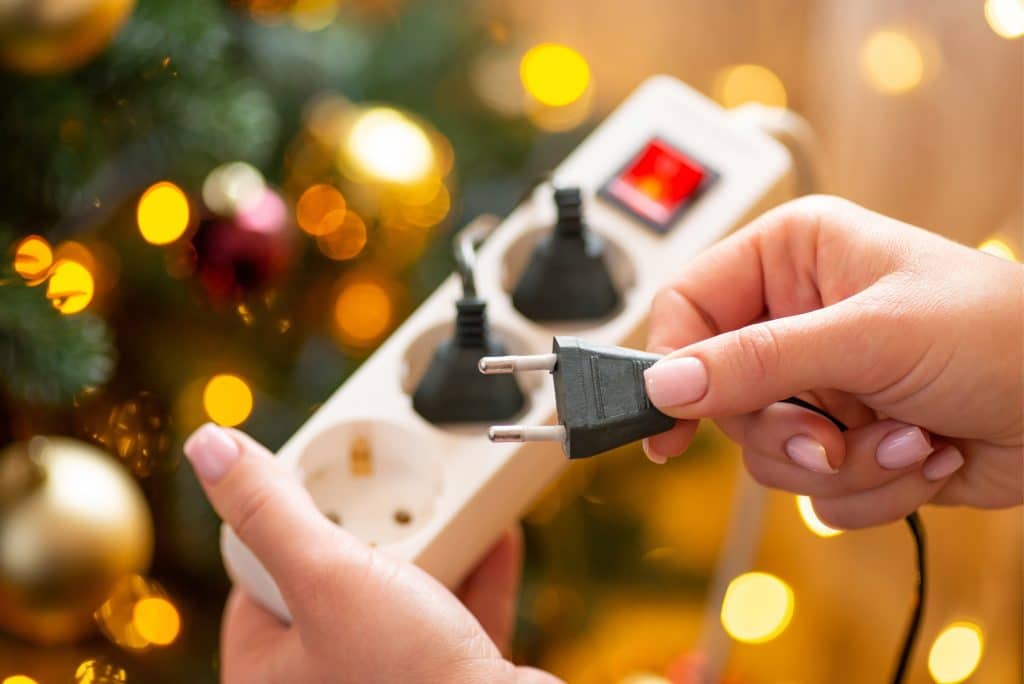
Winter is a time for warmth, comfort, and festive cheer, but it also brings a sharp rise in domestic and workplace fire risks. From overloaded sockets to open flames, cold-weather habits can quickly turn dangerous if fire safety is overlooked.
In this post, we highlight the top 5 winter fire hazards and how you can avoid them to keep your home or business safe during the colder months.
1. Portable Heaters
The risk:
Portable electric heaters are a go-to solution for cold rooms or temporary warmth. But when placed too close to furniture, curtains, or bedding, they can easily ignite surrounding materials. Fan heaters and halogen heaters are particularly hazardous if tipped over or left unattended.
How to avoid it:
-
Keep heaters at least one metre away from combustible materials
-
Never cover or drape anything over a heater
-
Use models with a tip-over switch and overheat protection
-
Unplug heaters when not in use or when leaving the room
2. Candles and Open Flames
The risk:
Winter evenings often mean cosy lighting, and many people turn to candles, tealights, or even real fires. But these open flames are one of the most common causes of accidental fires in the UK during the winter months.
How to avoid it:
-
Never leave candles unattended
-
Use sturdy, non-flammable holders and keep them away from curtains or decorations
-
Keep flames out of reach of children and pets
-
Consider switching to LED candles for the same ambience without the risk
3. Overloaded Electrical Sockets
The risk:
With extra lighting, electric blankets, heaters, and holiday decorations, winter often leads to overloaded extension leads and multi-plug adapters. This can overheat circuits and spark electrical fires.
How to avoid it:
-
Avoid daisy-chaining multiple extension leads
-
Know the amp limits of your sockets (a typical extension lead should not exceed 13 amps total)
-
Use a surge-protected extension block where needed
-
Switch off unused appliances overnight
4. Christmas Lights and Decorations
The risk:
Festive decorations are beautiful, but older or poorly maintained Christmas lights can cause shorts, sparks, or even ignite flammable decorations.
How to avoid it:
-
Only use lights that meet British Safety Standards (BS EN 60598)
-
Inspect lights for frayed cables or damaged bulbs before use
-
Turn off all decorations before going to bed or leaving the house
-
Avoid placing lights near curtains, paper, or dry trees
-
Don’t overload plug sockets with decorative lighting
5. Chimneys and Wood-Burning Stoves
The risk:
Fireplaces and stoves are often fired up in winter after months of disuse. Without proper maintenance, they can produce excess creosote (a flammable by-product) or suffer from blocked flues, increasing the risk of chimney fires or carbon monoxide leaks.
How to avoid it:
-
Have your chimney swept annually by a certified professional
-
Only burn seasoned, dry wood, never rubbish or treated wood
-
Install a carbon monoxide detector in any room with a stove or open fire
-
Use a fire guard to prevent sparks from reaching carpets or furniture
Check Your Fire Safety Equipment
Winter is a great time to do a quick audit of your fire safety gear:
-
Test smoke and heat alarms weekly
-
Replace batteries or units if required
-
Make sure fire extinguishers and blankets are in place and easy to access
-
Ensure escape routes are clear of clutter or winter storage
Final Thoughts
Winter brings many comforts, but it also brings unique fire hazards that need extra attention. By taking a few simple precautions, you can reduce your risk dramatically and enjoy the season safely.
Whether it’s avoiding overloaded sockets, keeping heaters clear, or checking your Christmas lights, every small action helps protect the people and property that matter most.
For expert advice on fire protection and prevention measures, contact Martyn Young Fireproofing Consultancy on 07585 896648