

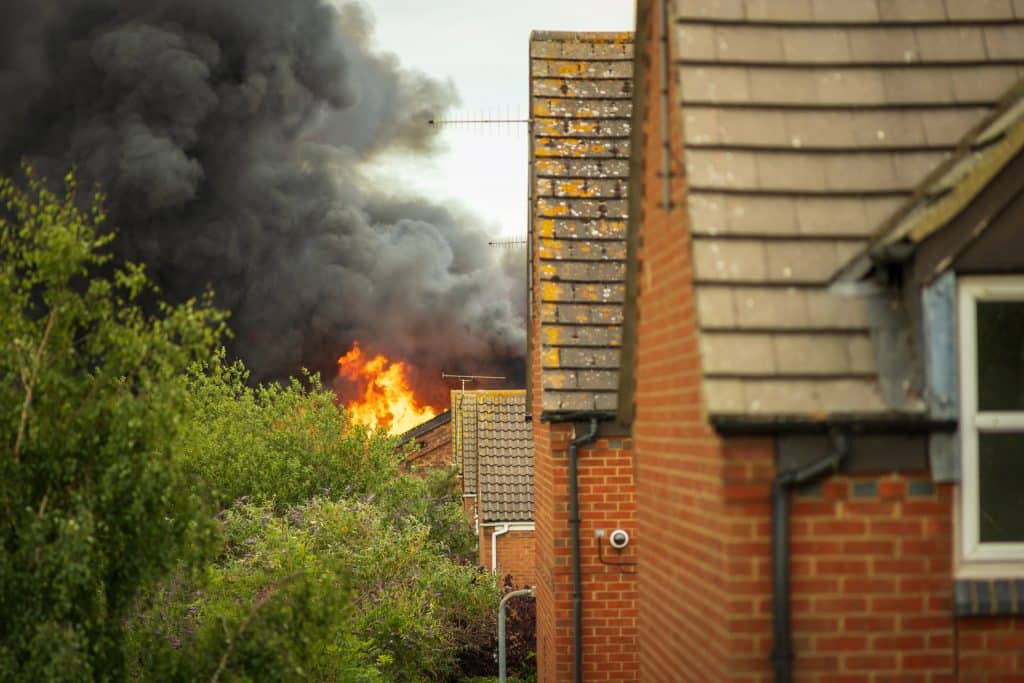
When it comes to fire safety, most people believe they’re doing the right things. However, everyday habits and assumptions can sometimes increase risk without people realising it.
Fires don’t just happen because of major faults or accidents; they are often the result of small, preventable behaviours that go unnoticed. By identifying these habits and understanding why they are risky, it becomes much easier to improve safety at home or in the workplace.
In this article, we’ll look at some of the most common fire safety habits that could be putting you at risk, and why they matter more than you might think.
Underestimating How Quickly Fire Spreads
One of the most dangerous assumptions people make is believing they will have plenty of time to react if a fire starts. In reality, modern fires can develop extremely quickly, particularly in homes filled with synthetic materials such as upholstered furniture, plastics, and insulation.
A small fire can grow into a life-threatening situation in just a few minutes, producing intense heat and thick smoke that rapidly reduces visibility. This leaves very little time to think, react, or gather belongings.
Because of this, early detection and a clear escape plan are essential. Relying on the idea that there will be time to respond can lead to delayed action, which significantly increases risk.
Focusing on Flames Instead of Smoke
It’s natural to associate danger with visible flames, but in many fires, smoke is actually the greater threat. Smoke spreads quickly through buildings and can travel long distances before flames are even seen.
It contains toxic gases that can overwhelm occupants within minutes, and it can make escape routes difficult or impossible to navigate. This is particularly dangerous at night when people are asleep and less likely to notice early warning signs.
Prioritising smoke detection through properly installed alarms is one of the most effective ways to improve safety.
Leaving Doors Open During Everyday Use
Leaving internal doors open is a common habit in many homes, often for convenience or ventilation. However, in the event of a fire, open doors can allow smoke and flames to spread much more quickly throughout a building.
Open spaces also allow more oxygen to feed the fire, increasing its intensity and speed of growth. In contrast, closed doors can act as a barrier, slowing the spread of fire and helping to protect escape routes.
Simply keeping doors closed, especially at night, can make a significant difference in containing a fire.
Overlooking the Risks of Small Electrical Devices
Small electrical items are often seen as low risk, but they are a common cause of fires in modern homes. Phone chargers, extension leads, and everyday appliances can all become hazardous if they are faulty, damaged, or used incorrectly.
Overloading sockets, using poor-quality chargers, or continuing to use worn cables can lead to overheating and potential ignition. As households rely on more electronic devices than ever before, these risks are becoming increasingly common.
Being mindful of how electrical items are used and maintained is an important part of reducing fire risk.
Using Water on the Wrong Type of Fire
In an emergency, it’s instinctive to reach for water to put out a fire. However, this approach is not always safe and can sometimes make the situation far worse.
For example, applying water to a fire involving cooking oil can cause the flames to spread violently, creating a dangerous fireball. Water should also never be used on electrical fires due to the risk of electric shock.
Understanding how to respond to different types of fires and having the right equipment available can help prevent a small incident from escalating.
Relying on Limited or Poorly Maintained Smoke Alarms
Some people install smoke alarms and then rarely think about them again. Others assume that smaller homes don’t need as much coverage. Both of these habits can reduce the effectiveness of early warning systems.
Smoke alarms are one of the most important safety features in any property, but they must be correctly installed, regularly tested, and properly maintained. Without this, there is no guarantee they will activate when needed.
Ensuring alarms are in the right locations and working at all times is essential for early detection.
Ignoring Small Gaps and Openings in Walls
Gaps around pipes, cables, and other services are often overlooked because they seem insignificant during everyday use. However, these openings can become serious pathways for fire and smoke during an emergency.
Even small gaps can allow heat and toxic gases to spread between rooms, compromising fire-resistant walls and floors. This can lead to faster fire spread and reduced protection for escape routes.
Properly sealing these openings with appropriate fire-stopping materials is a key part of maintaining building safety.
Not Having Fire Safety Equipment Readily Available
Many people assume that fire safety equipment is only necessary in commercial settings. As a result, homes are often left without basic tools that could help manage small fires.
Having items such as fire blankets or appropriate extinguishers available can make a significant difference in the early stages of a fire. While evacuation should always be the priority, having the right equipment can help prevent a minor incident from becoming more serious.
Assuming New Buildings Are Completely Safe from Fire
Modern buildings are designed with improved fire safety measures, which can create a false sense of security. While these features reduce risk, they do not eliminate it entirely.
Fires can still occur, and safety systems can still be compromised if they are not properly maintained or used correctly. Fire protection is designed to slow the spread of fire and allow time for escape, not to prevent fires altogether.
Ongoing awareness and maintenance remain essential, regardless of how new a building is.
Forgetting to Maintain Fire Safety Measures
Fire safety is not a one-time task. Over time, equipment can fail, systems can become damaged, and changes to a building can affect its fire protection.
Smoke alarms may stop working, fire doors may not close properly, and protective measures such as seals or fire stopping may become compromised. Without regular checks, these issues can go unnoticed until they are needed most.
Routine maintenance and inspection are essential to ensure everything works as intended.
Final Thoughts
Fire safety is often influenced by everyday habits rather than major decisions. Small actions, such as how you use electrical devices, whether doors are left open, or whether alarms are maintained, can have a significant impact in an emergency.
By recognising and addressing these common habits, it becomes much easier to reduce fire risk and improve overall safety. Fire protection is not just about equipment or regulations; it is about awareness, behaviour, and preparation.
Making small changes today can help prevent serious consequences in the future and ensure that you, your property, and the people around you are better protected.
For expert advice on fire protection and prevention measures, contact Martyn Young Fireproofing Consultancy on 07585 896648